
A Once-in-a-Session Chance to Expand Medical Cannabis Access in Texas
Nearly 10 years ago, the Texas Legislature transformed the lives of so many Texans in need when they established the Compassionate Use Program, granting life-saving access to medicinal marijuana. A decade later, it’s clear that changes are needed to ensure that the state keeps doing right by patients.
Although DPS-regulated dispensaries exist in Austin, their number is scant, and such limited access is unimaginable for Texans in rural communities who have no dispensary nearby at all. As president of the Minority Cannabis Business Association — a national organization dedicated to advancing equitable access to safe, regulated cannabis medicine and supporting minority entrepreneurs — I often think about veterans battling chronic pain or parents of children with severe epilepsy who must navigate narrow delivery windows or rush to partner pickup sites just to refill prescriptions.
Many give up and turn to unregulated sources. This once-every-two-year legislative session presents a rare chance to change that with House Bill 46. Under today’s Compassionate-Use Program (TCUP), qualifying conditions are limited, and patients can only access tinctures, oils, and other ingestible formats. Dispensaries are few, and when those aren’t an option, patients often face four-hour service windows at a partner location or 15-minute home delivery slots. This doesn’t fit work or family schedules, and Texans living outside major metros simply don’t enroll due to the rigid logistics.
What HB 46 Would Do:
Broaden Eligibility: Adds chronic pain to the list of approved conditions, opening relief to tens of thousands more Texans currently relying on opioids.
Enable Flexible, Traditional Retail Access: This allows dispensaries to store products overnight at their brick-and-mortar locations. This will allow patients to pick up medicine during normal store hours rather than juggling restrictive delivery or pickup windows. No more coordinating with a driver at 2 p.m. while missing work.
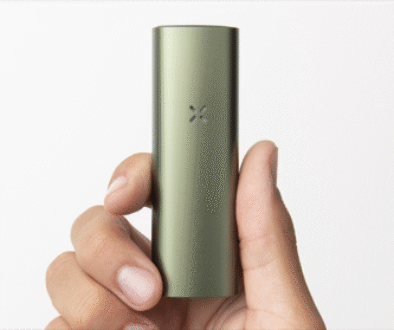
Authorize Inhaled, Regulated Medicine: Physicians could prescribe inhalation as a route of administration. Inhalation of medical cannabis can deliver relief in minutes rather than the 45–120-minute onset of edibles or capsules. That means Texans battling seizures, PTSD flashbacks, or other episodic conditions can get immediate, clean, quality-controlled medicine in a form that works for them.
When medical cannabis is safe, tested, and available in forms patients already trust, we see better patient outcomes. Flexible pickup through traditional retail hours means patients can maintain their treatment alongside their daily routines, improving health outcomes and quality of life.
The Legislature meets only every two years. If we let this moment pass, patients will continue to suffer while unregulated markets thrive. I urge Texans — patients, caregivers, and healthcare providers — to contact their representatives and voice support for HB 46 before May 27.
For many Texans, HB 46 isn’t just policy — it’s a lifeline. As an Austin resident who values innovation and compassion, I believe Texas can lead the way with a medical cannabis program that truly serves every corner of the state. Let’s seize this opportunity and ensure no Texan in need is left behind.
Frederika Easley is an Austin resident and the President of the Minority Cannabis Business Association, where she champions equitable access, ownership, and participation in the cannabis industry for communities most impacted by prohibition.