5 Hard Truths Whitney Beatty Shared About California’s Cannabis Industry
California has long been presented as the promised land of cannabis — the “mecca” where the plant went from underground legend to legal lifestyle. But the reality for small business owners is far from glossy. Between the taxes, the massive amounts of red tape, and unchecked competition from the illicit market, making it as a legal business is becoming harder.
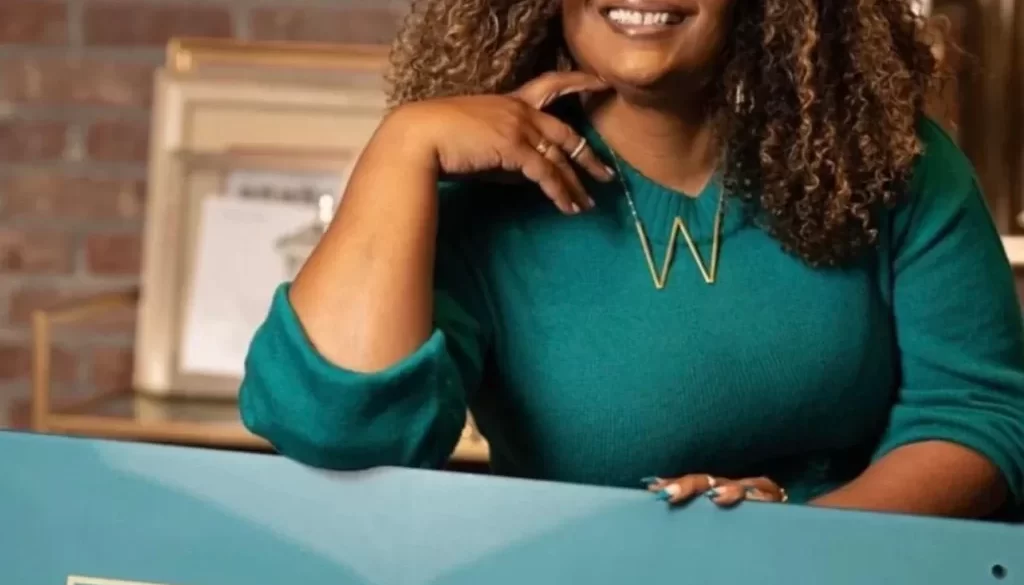
Recently, we chopped it up with Whitney Beatty, founder of Josephine & Billy’s in Los Angeles. She has been one of the many black operators who have voiced their issues with the city and how the rise in taxes could put businesses like hers out of business.
Ahead of the release of our full episode, here are five takeaways from our conversation:
1. Taxes Are Breaking the Legal Market
Imagine paying over 40% in taxes before you even get to payroll, rent, or security. That’s the reality for dispensary owners like Whitney. Customers walk into legal shops and pay $140 for what costs $100 down the block at an unlicensed spot. Price is king. And no matter what that man in the office and his cronies say, this economy is bad. It’s hard to tell folks to “shop legal” when their wallets say otherwise.
2. The Green Rush Was a Myth
Remember all that talk about cannabis bringing generational wealth to Black and Brown communities? I do! I totally remember this conversation. It was sold like bitcoin and the metaverse to anyone who thought they could get rich quickly. The reality of that is much different, and Whitney calls cap! Between inflated lease prices, the cost of armed security, insurance, compliance, and the dreaded 280E tax rule, most dispensary owners are just trying not to drown. For many, the “Green Rush” has turned into a “Green Grind.”
3. Equity Operators Were Set Up to Struggle
LA’s equity rollout sounded good on paper, but played out like a hustle. Applicants had to lock in leases years before licenses were issued — draining hundreds of thousands of dollars just to say you have a location. Many opened their doors already broke, relying on investors who often had bad intentions. Instead of leveling the playing field, the system left a lot of Black and Brown owners starting from behind.
4. Illicit Shops Still Run the Block
Here’s the kicker: while equity-owned dispensaries get raided for back taxes, illicit shops are thriving with little pushback. Similar to what was and is still happening in New York, some shops look so official you wouldn’t even know they’re unlicensed. Fake certificates on the wall, neon signs outside — the whole nine. If cities won’t enforce the rules evenly, Whitney Beatty and others in the legal market won’t stand a chance.
5. Change Has to Happen — Now
Whitney isn’t just venting. As part of the Black Los Angeles Cannabis Council, she’s pushing for real fixes: cutting city taxes to 1%, offering tax forgiveness, tiered tax structures like Oakland, or even temporary suspensions like San Francisco. Her point is simple — if small businesses can’t survive, legalization won’t either.
Last Word
Whitney Beatty represents more than just a brand. She represents every operator who believed legalization meant opportunity, only to find themselves taxed, drained, and fighting for survival. Her honesty is a reminder that if California truly wants a thriving legal market, it has to protect the people who risked the most to build it.