
Eric Foster on Lobbying, Advocacy, and Why Cannabis Policy Reform is at a Critical Crossroads
Eric Foster has spent decades working in policy, healthcare, and advocacy spaces. Today, he serves as the National Policy Director for Minorities for Medical Marijuana (M4MM) and operates the Today & Tomorrow Super PAC. Utilizing his expertise to advocate for more effective cannabis and hemp policies nationwide.
Recently, I had the chance to sit down with Foster for an eye-opening conversation about the difference between lobbyists and advocates, the growing threats facing cannabis legislation, and what’s happening behind the scenes in places like Ohio and Washington, D.C.
Here are some takeaways from our interview. Our full interview will go live on Wednesday. Subscribe to CashColorCannabis Podcast wherever you stream podcasts.
Lobbyist vs. Advocate: What’s the Difference?
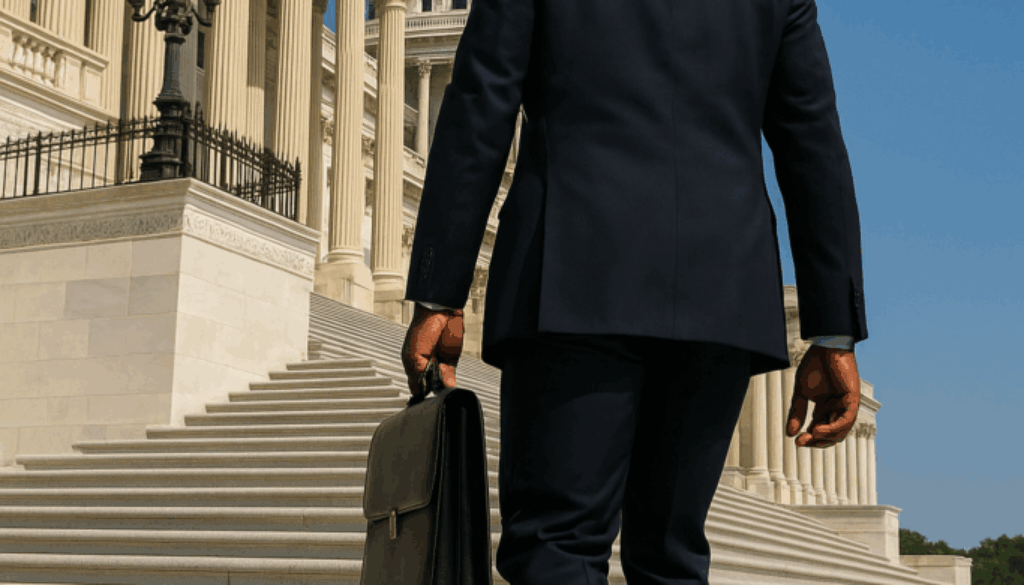
During our conversation, Foster clarified a common misconception: lobbyists and advocates are not the same thing.
“A lobbyist is someone hired by an entity—whether that’s a company, stakeholder group, or organization—to influence legislation or policy decisions,” Foster explained. “An advocate, meanwhile, is someone passionate about an issue but not necessarily hired to push it through legislative bodies.”
He stressed that while lobbyists are paid for their work, that doesn’t mean they lack passion for their cause. Foster described lobbyists like himself as part Luke Skywalker, part Han Solo—fighting for what’s right rather than chasing profit like a political Boba Fett.
Ohio: A Voter Victory Under Attack
We also discussed Ohio, where voters recently passed an adult-use cannabis initiative. While many celebrated, Foster warned that the battle is far from over. Because Ohio’s new cannabis law was passed via statute, not constitutional amendment, lawmakers have the power to gut or drastically alter what voters approved.
“There’s a 75–80% likelihood that changes are coming,” he said. “Everything relating to social equity and economic inclusion could be stripped away. Individual protections for adult-use consumers—around housing, employment, and child custody—are also at risk.”
According to Eric Foster, Ohio’s situation reflects a bigger lesson for cannabis supporters: winning a ballot initiative isn’t enough. Real protections come from electing legislators who respect the voters’ will, something Ohio advocates may soon learn the hard way.
Warning Signs from Washington, D.C.
Beyond Ohio, Foster pointed to troubling developments in Washington, D.C. He described how the U.S. Attorney for D.C., Ed Martin, is now using federal law to threaten cannabis businesses that operate legally under D.C.’s local regulations.
Despite long-standing protections like the Blumenauer Amendment, which bars the federal government from interfering with state-legal cannabis programs, Martin’s moves could signal a broader strategy to attack cannabis at the federal level, especially if prohibitionist forces regain power.
“They’re coming after us,” Foster warned bluntly. “This is just the beginning.”
The Call to Action: Become a Changemaker
Foster closed our conversation with a call to action for everyone who cares about the future of cannabis: get involved. His new project, the Changemaker Initiative, focuses on developing electoral strategies to support pro-cannabis candidates and protect hard-won victories.
“It’s time for people in this industry, both hemp and cannabis, to combine resources and push for real change,” he said. “If we don’t, we’ll keep watching our wins be undone.”
For those who can’t lobby professionally, Foster emphasized the power of voting, organizing, and educating others about how the political system works.
“If we want permanent, positive change, we have to fire prohibitionists and hire policymakers who believe in this movement.”