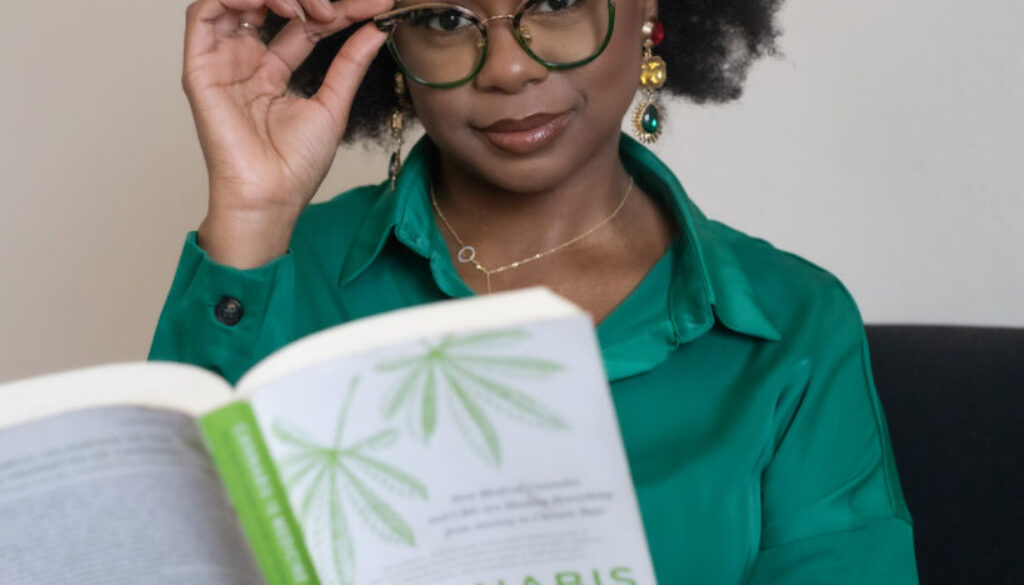
Herbal Paths to Healing: Kevnesha Boyd, Talks Consumption, Mental Health & Taking Breaks
Ok, I’m going to get a little personal here. I doubt I’m alone in this thought, but I believe that the cannabis experience isn’t just about consumption. This versatile plant can bring so much more to your life, other than the obvious. And yes, the high often takes center stage; its role in supporting issues like mental health sometimes stays in the background.
That’s what led me to reach out to Kevnesha Boyd. A trauma therapist with 15 years of experience and the founder of Quality Counseling in Connecticut, Kevnesha, openly speaks about her use of cannabis to help her deal with past trauma. Through therapy, yoga, and cannabis education, she creates safe spaces for Black and Brown communities to heal.
When I began thinking about this topic, she was the first person who came to mind. As we work on the full story about cannabis and mental health for the next issue of CashColorCannabis Magazine, learn some more about Kevnesha—her connection to healing, her work, and her suggestions for anyone exploring the relationship between the plant and mental health.
Why Cannabis and Mental Health Go Hand in Hand
Kevnesha came to cannabis both personally and professionally. After being diagnosed with PTSD in 2017, she realized just how little information—even healthcare providers—had about cannabis as medicine. That gap inspired her to bring cannabis education into her counseling practice.
For her, cannabis isn’t just about “recreational” or “medical” use—it’s therapeutic. Whether it’s treating insomnia, reducing anxiety, or helping with nightmares, many of us are turning to the plant for rest and relief.
Overconsumption vs. Overdose
One powerful point she raised while we spoke that I fully agree with: while cannabis doesn’t have a lethal dose, many people still “over-consume.” Sometimes it’s smoking all day to mask trauma, other times it’s eating that whole edible when half would do. Without guidance, people can unintentionally use cannabis in ways that don’t serve their healing.
Boyd stresses the importance of education: knowing about alternative forms like tinctures or capsules, and understanding how different methods can provide longer-lasting therapeutic benefits.
Tips for Using Cannabis for Mental Health
Kevnesha shared a few practical tips for those exploring cannabis for mental health:
- Work with a trained, culturally responsive provider. PTSD and other conditions show up differently in Black communities. Find a professional who understands those unique experiences and is open to discussing cannabis.
- Track your consumption. Pay attention to your symptoms, the strains or products you’re using, and how they affect you. This helps create a personal cannabis plan instead of just guessing.
- Take “herbal holidays.” Also known as tolerance breaks, these pauses allow you to reassess your symptoms and adjust your dosage. Over time, you may actually need less cannabis as your healing progresses.
- Know your “why.” Ask yourself: Am I using cannabis to heal, to rest, or am I just masking something I need to talk through? Sometimes the plant helps, but sometimes the real medicine is conversation.
Kevnesha’s work reminds us that cannabis and mental health don’t have to be separate conversations. For many of us, myself included, they’re deeply connected—and when approached intentionally, cannabis can be a tool for true healing.To learn more about Kevnesha and her work, visit kevnesha.com or follow her on Instagram at @kevnesha_lpc.