Stakes Is High: The Supreme Court Case That Could Disarm Cannabis Patients
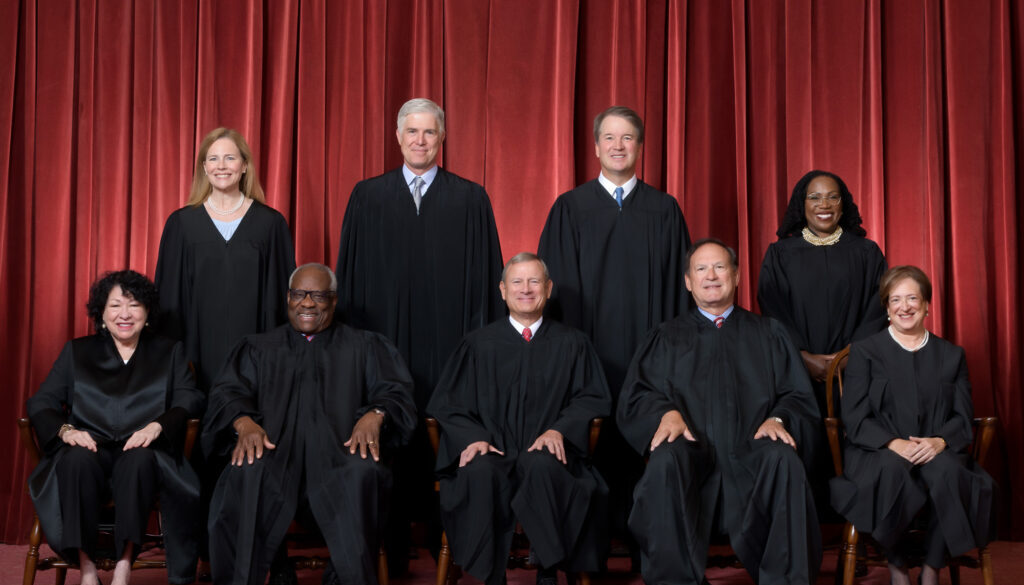
I’m not sure what side of the algorithm you’re on, but on mine, all the talk has been about the Supreme Court.
The highest court in the land has been busy these last few days. First, it was the question of whether the justices would strike down key parts of the Voting Rights Act. While that’s enough to keep some people (me being people) awake at night, this next case might do the same for many others.
Soon, the Supreme Court will take up a case that’ll decide whether people who regularly use marijuana can legally own guns. Sounds wild, right? Especially when, at the same time, folks are hyping up federal reclassification — moving cannabis from Schedule I to Schedule III.
But here’s the contradiction: how can you say cannabis is medicine and still treat medical marijuana patients like second-class citizens?
What’s Going On
The case started when a Texas man admitted he used marijuana and owned a gun. Under federal law, anyone who uses “illegal drugs” — yes, even if they’re legal in your state — can’t own firearms. Lower courts pushed back, saying that rule didn’t match America’s historical traditions around gun rights. Now the Supreme Court will decide who’s right.
Why It Matters for Patients
We’ve had this conversation before, y’all. Reclassification sounds great on paper. It does open doors for research, banking, and access — all things we want. But it doesn’t automatically fix federal contradictions. Medical marijuana patients could still be labeled as “unlawful users” under federal law.
Translation: your medicine could cost you your rights.
And this isn’t just a gun issue — it’s a civil rights issue. Black and brown patients already face more scrutiny in every part of the cannabis space, from policing to licensing. Losing rights while “gaining recognition” isn’t progress. It’s a loophole wrapped in celebration.
The Bigger Picture
This case is about more than one man or one gun. It’s about whether legalization will ever come with full citizenship. If we can’t close the gap between “legal use” and “equal rights,” reclassification becomes a PR move — not a real win.