
The Day After: The Industry Chimes In on Reclassification
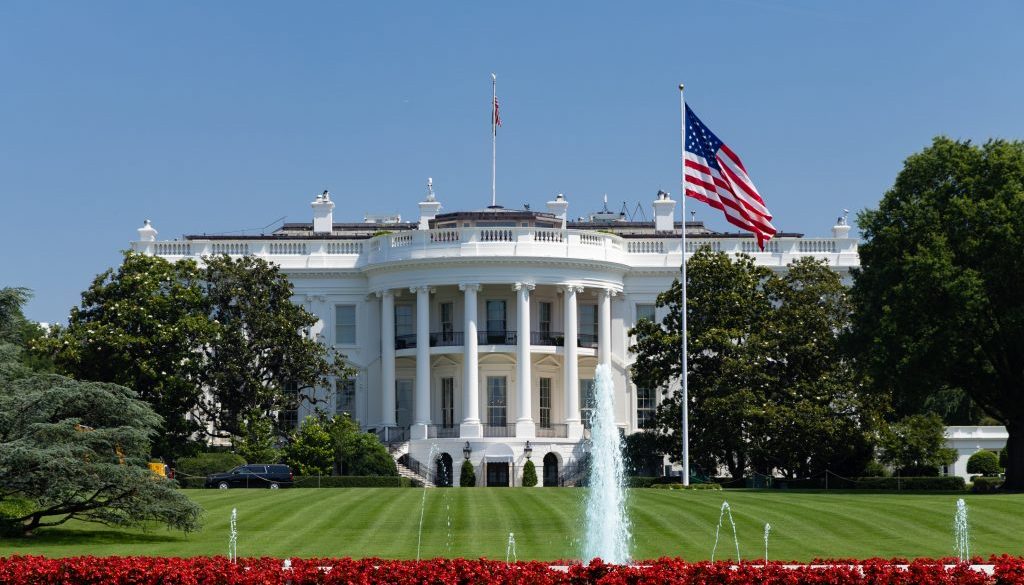
For the last several days, the cannabis industry has been watching closely, waiting for clarity from the White House on whether cannabis would be recommended for reclassification. On Thursday, that news arrived. President Trump signed an executive order directing the Attorney General to expedite the ongoing administrative process to reclassify cannabis.
The announcement was met with mixed reactions, particularly from those working within the cannabis industry—highlighting the growing divide between what reclassification represents symbolically and what it actually delivers in practice.
From an industry perspective, some leaders see reclassification as a meaningful, if limited, step forward.
Craig Henderson, CEO and founder of Extract Labs, a leader in clean cannabis production, shared the following statement:
“Reclassification signals that the federal government is finally acknowledging reality, which could unlock more research, ease some financial constraints, and bring greater legitimacy to the industry. Many in the industry see it as a meaningful step forward, regardless of politics. However, it doesn’t automatically fix banking access, interstate commerce, or state-by-state inconsistencies. There’s also a chance that new regulations could favor larger players and make compliance more difficult for small, responsible businesses if not implemented thoughtfully.”
While some retailers and operators—large and small—have championed the move as progress, others argue that reclassification stops short of the reform communities have long demanded.
Cat Packer, Board Director of Policy for the Cannabis Regulators of Color Coalition (CRCC), echoed that concern:
“The American people overwhelmingly support legalization and an end to federal marijuana criminalization. Rescheduling marijuana continues federal criminalization, regardless of state law, and falls far short of the reforms our communities need and deserve.”
CRCC Board Chair Dasheeda Dawson took the critique a step further, emphasizing the disconnect between financial relief and justice:
“Rescheduling may offer financial relief for corporations, but it fails to deliver justice for the communities most harmed by prohibition. Until cannabis is fully descheduled, the federal government will remain misaligned with public opinion and the equity-driven frameworks states are attempting to implement. Rescheduling might change the math, but justice changes the system.”
Labor leaders also expressed concern about what reclassification fails to address for the workforce powering the industry.
UFCW President Milton Jones highlighted the potential consequences for cannabis workers:
“Similar to the Biden Administration’s plan, this effort risks creating an industry that reinforces the inequities present throughout our economy. Hundreds of thousands of cannabis workers will still face the same challenges that they do now, including the lack of access to proper job training and health and safety protections.
Reclassifying cannabis from a Schedule I to Schedule III drug ignores the needs of workers and wastes the chance to finally deliver justice for the families impacted by the War on Drugs. Cannabis must be federally decriminalized, with a regulatory framework to ensure that cannabis workers, from seed to sale, have the health, safety, and labor protections they deserve.”
The day after the reclassification announcement, the industry isn’t celebrating or panicking—it’s assessing. In the words of Curtis Snow, “Just still.”
Reclassification may improve balance sheets, research opportunities, and federal optics, but for many, it reinforces a familiar reality: progress without justice is incomplete. As the administrative process continues, the real question remains not whether cannabis policy is evolving, but who that evolution is ultimately designed to serve.