Cannabis, Corporate Values, and the ICE Line
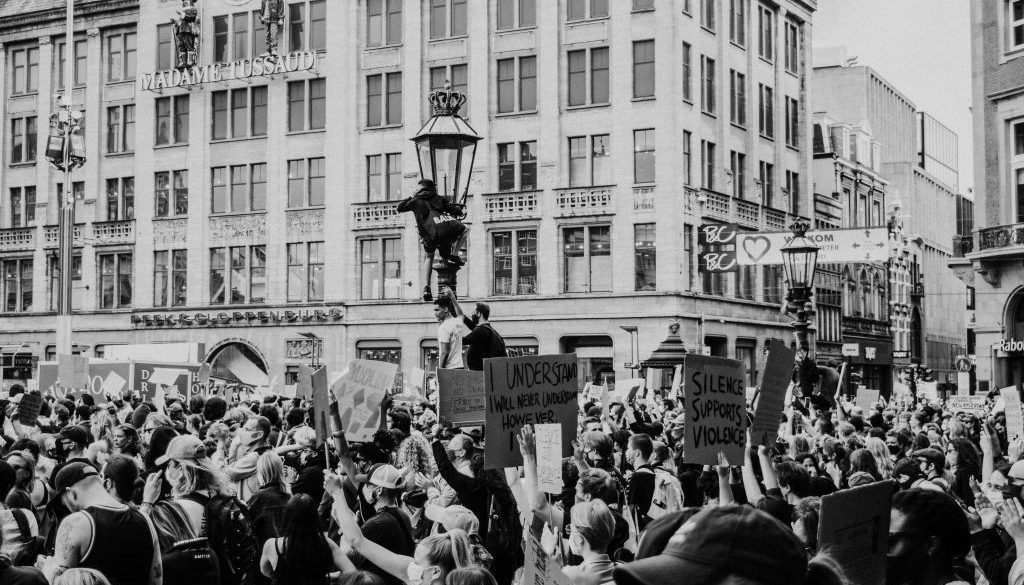
The last few weeks have been exhausting to witness. Seeing the deaths of American citizens in America at the hands of people who appear to be law enforcement is nothing new to the Black community.
I have seen and heard so many stories that I still walk around guarded no matter where I am. I often expect an uncomfortable encounter with law enforcement.
As more people begin to come to grips with what many of us have been seeing and dealing with since day one, it is somewhat refreshing to see what feels like a small shift in how people respond and speak up.
The cannabis industry knows what it feels like to be watched, regulated, and told to comply at every turn. From licensing hurdles to banking barriers, from criminal records to social equity promises that never amounted to much, this space was built by people who understand what over-enforcement looks like up close.
That is why recent brand positions, or the lack of one, around immigration enforcement and corporate partnerships are starting to create real conversations across the culture side of the industry.
One well-known accessory brand, PuffCo, recently stated that it will not work with companies that openly support or partner with ICE. The statement drew both praise and criticism. While the company shut off comments after making the post, the message was loud and clear. Whether people agree or disagree, the moment highlights a deeper question: What does corporate responsibility look like in an industry that still lives under prohibition and unequal enforcement?
The Tension Inside the Cannabis Industry
I was glad to see PuffCo say something. It has been on my heart to ask, when are any of you going to speak up?
Cannabis companies often talk about justice reform, second chances, and repairing harm from the War on Drugs. Those are not abstract ideas here. But those values often get tested when they leave the stage and enter partnership decisions.
One of my earliest experiences in this industry was seeing a wall filled with photos of Black men in handcuffs alongside statistics about arrest and incarceration rates, while the rooms themselves were filled with people who did not reflect the communities shown on those walls or the realities behind those numbers.
There is a contradiction there that cannot be ignored. You cannot build brand identity around equity, inclusion, and reform while overlooking how enforcement systems affect vulnerable communities today. For many operators, creators, and consumers, immigration enforcement is not a_toggle. It is personal. It affects families, workers, and neighborhoods that also make up a significant share of the cannabis customer base.
Selective Compliance Is Still a Choice
Cannabis businesses are used to being told to follow every rule or risk losing everything. Entire companies can disappear over compliance failures.Because of that reality, many people in this space ask a fair question: Why should marginalized industries be expected to show perfect compliance while also being asked to quietly support or ignore enforcement systems that disproportionately impact marginalized communities?
I do not believe it should be ignored. Someone once told me that “weed should not be political” after I spoke about ICE and my concerns. I almost laughed. This plant has always been political. Platforms like mine, and many others, should use our voices to remind leadership that oppression against one marginalized group affects us all.
You cannot look at repeated incidents across states and say, “They just needed to comply,” without recognizing the irony. People in cannabis hear that same message every day. Not seeing the parallels, and framing any concern as simply choosing a political side, misses the bigger picture.
Corporate Neutrality Is Still a Decision
Corporate neutrality is still a decision. So is corporate alignment.I applaud PuffCo and any brand that chooses to take that stance. Choosing not to partner is not censorship. Every company decides where its money, platform, and co-sign go.
Public positions do carry risk. Cannabis remains federally illegal, and many companies operate in fragile regulatory environments. Some prefer to avoid anything that feels political. That instinct is understandable.
But culture-facing brands do not exist in a vacuum. They are supported by communities that expect more than silence when social impact is on the line. The real question is not whether brands should speak. It is whether their actions match the values they promote when it is convenient to do so.
Where I Stand
From my perspective, this industry cannot ask for empathy, reform, and second chances while ignoring how enforcement pressure shows up in other areas of people’s lives. We already live with the contradiction of watching people build wealth from cannabis while others remain incarcerated for it.
You cannot build a culture brand on justice language and step away from justice conversations when they become uncomfortable.
That does not mean every company must release a statement. It does mean every company should be honest about its values and consistent in its partnerships.Consumers are paying attention. The media is paying attention. Communities are definitely paying attention.