The Microdose Era: Why Lower-Dose THC Is Becoming the New Default
For years, when it came to consumption, it was all about intensity. Higher THC percentages. Stronger effects. Louder experiences. Being “too high” was often treated like a rite of passage. I think that’s why I ever witnessed things like extendo blunts or someone stuffing a full 3.5 into one roll.
As cannabis becomes more mainstream, we’re learning more about how people actually want to use it. The push to get super high and the fixation on THC percentages while ignoring everything else is starting to shift.
Across the cannabis landscape, more consumers are gravitating toward lower-dose THC products and non-smokable formats that feel functional, predictable, and social. Instead of chasing the biggest effect and wondering if they smell like smoke, people are choosing experiences that fit into their day rather than take it over.
Potency vs. Practicality
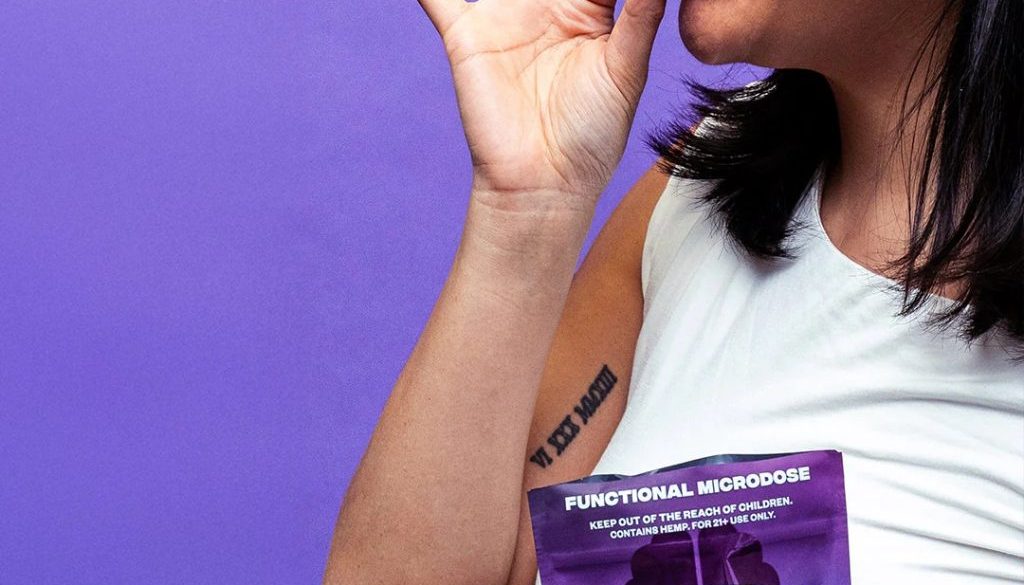
According to Stephen Svirskas, Marketing Manager at MUNCHIES!, today’s consumer isn’t necessarily looking to get as elevated as possible.
“Today’s consumer isn’t always chasing intensity. They’re choosing a lighter lift that lasts all day,” Svirskas explained, describing cannabis that works alongside running errands, answering emails, and meeting friends for lunch, rather than disrupting the flow of the day.
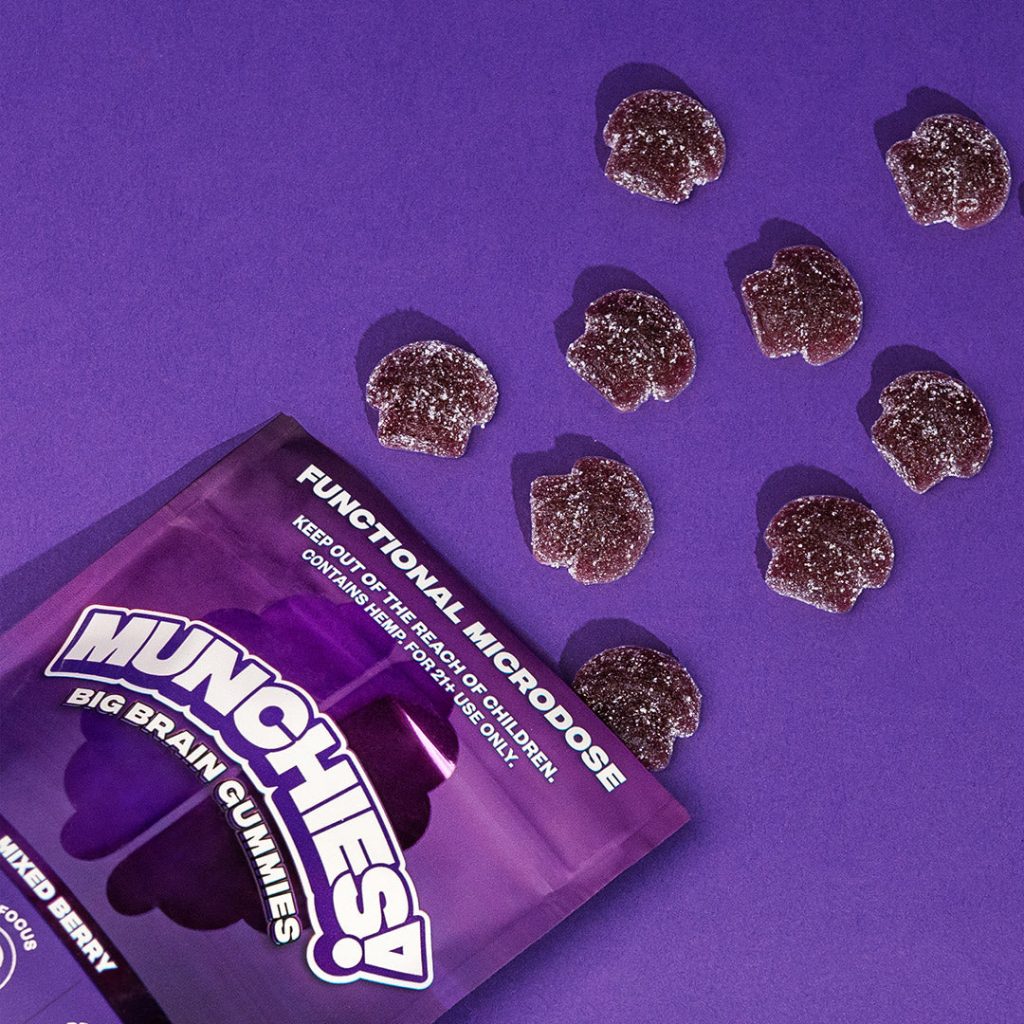
Beatrice Carranza, founder of BACHAZ, sees the same shift happening from her side of the industry. “I’m seeing consumers move away from chasing the most extreme products and toward manageable doses. People want an enjoyable experience that fits into their day.”
As cannabis becomes more normalized, demand has shifted toward products that support real life, not an escape from it.
Thinking Smaller
Microdosing reframes cannabis use around control. Instead of asking how strong a product is, consumers are asking how it will make them feel and whether they can trust that experience.
At MUNCHIES!, that philosophy shows up in product design. “We think in increments, not extremes,” Svirskas said. “Take one, feel it, keep going with your plans. It should add a tone, not change the whole song.”
The idea that cannabis can play a background role rather than be the main character is becoming central to how many people consume today.
Quiet Doesn’t Mean Ineffective
One common misconception about low-dose THC is that it does nothing at all. The reality is that cannabis effects are not universal. What works for one person may feel completely different for another.
“A common misconception is that people expect nothing to happen,” Svirskas noted. “Then they notice they’re laughing quicker or stressing less. It’s subtle, sure, but not invisible. Sometimes a whisper does more than a shout.”
For people navigating anxiety, overstimulation, or packed schedules, that whisper is often exactly the point.
Predictability Is the Appeal
Lower-dose products offer something increasingly valuable: reliability.
“Most days aren’t built for guesswork,” Svirskas said. “You want to know how you’ll feel before you commit. A reliable, measured dose lets you stay in the room rather than drift out of it.”
This emphasis on predictability helps explain the growing popularity of cannabis beverages, edibles, and other discreet formats, especially for people who want to socialize, travel, or stay productive.
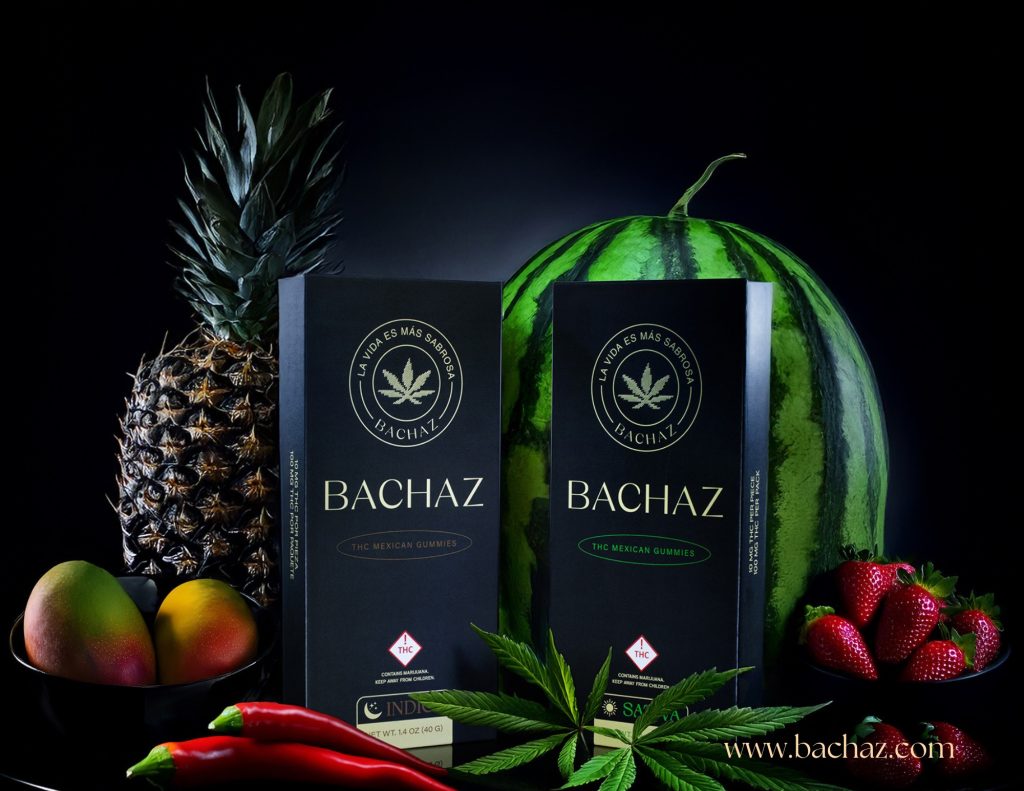
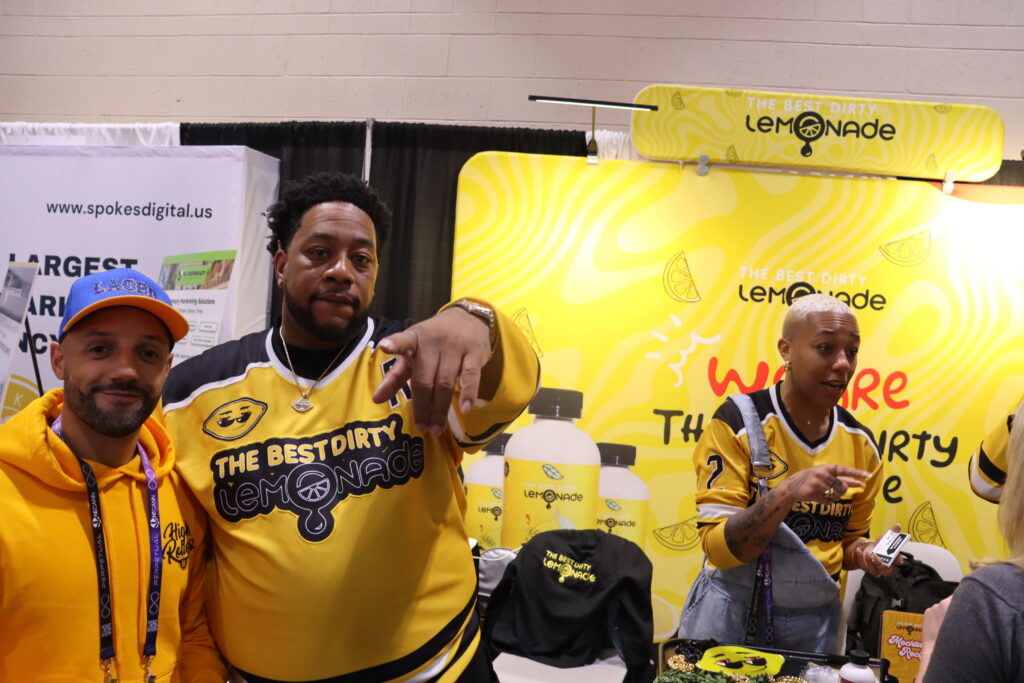
Brands like BACHAZ, Juice Joint, and Best Dirty Lemonade are part of a growing ecosystem prioritizing lower-dose, non-smokable consumption. Many Black- and brown-owned brands in this space are designing products that emphasize approachability, balance, and social ease over potency.

The microdose era also reflects a broader cultural recalibration. As conversations around mental health, wellness, and boundaries expand, so does awareness of how cannabis affects people differently.
For many Black and brown consumers, discretion and functionality aren’t about minimizing joy. They’re about autonomy. Being able to consume without being visibly impaired allows cannabis to fit into more spaces safely and comfortably.
Looking ahead, Carranza believes intentional use will define the next chapter. “Intentional cannabis use looks like people enjoying cannabis with purpose, understanding their dose and their reason for consuming. It’s less about potency and more about balance and enjoyment.”
Svirskas sees intentional use as defining the next chapter. “It’s less about chasing intensity and more about choosing the right setting,” he said. “Smaller moments, chosen on purpose. It’s not about getting away, just about tuning in a notch.”
Grown-Up Things
The rise of microdosing doesn’t signal cannabis becoming weaker or less relevant. It signals maturity.
Cannabis no longer needs to be the loudest thing in the room to matter. In the microdose era, its power lies in how seamlessly it integrates, quietly enhancing moments without overpowering them.
Sometimes, the most meaningful shift is the one that happens softly.