And Just Like That: Texas Hemp Industry Forced to Pivot
This past March, the Texas hemp industry was forced to rethink its future almost overnight.
On March 31, 2026, a ban on intoxicating smokable hemp products and pre-rolls went into effect, cutting off a major portion of the market and leaving businesses scrambling to adapt.
But on the ground, the reality is more complicated than a full shutdown.
“This is not a full ban on hemp or THC,” said Colton Luther, a Texas-based hemp cultivator, manufacturer, and host of the Texas Growers Podcast. “The ban is specific to smokable and THCa-based products. That’s a big shift.”
A Shift in Definition, Not Just Policy
At the center of the issue is a regulatory change that redefines how THC is measured in Texas.
Previously, hemp products were evaluated based on Delta-9 THC levels, capped at 0.3%. The new rules move the state toward a total THC standard, which includes cannabinoids like THCa.
That shift significantly narrows what products can legally be sold.
According to Luther, the Texas Department of State Health Services (DSHS) may have overstepped its authority in making that adjustment.
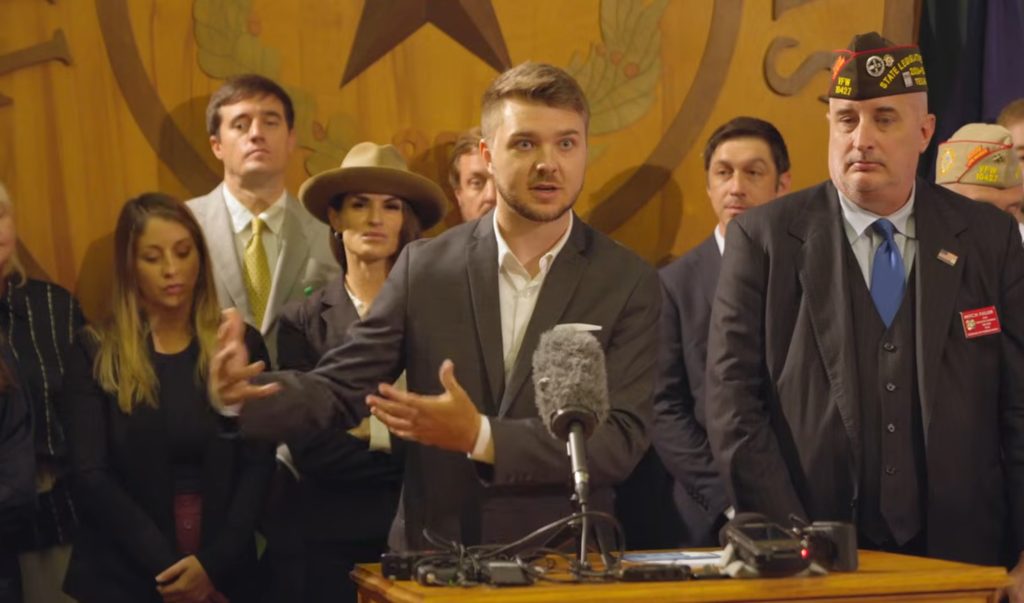
“The DSHS actually exceeded its scope and changed laws and legal definitions,” he said. “We expect to see an injunction shortly that could protect THCa and other aspects of the industry.”
For now, businesses are operating in a gray area, waiting to see how legal challenges unfold.
Immediate Impact on Small Businesses
While the rule change is targeted, the impact is widespread.
Luther estimates that if the ban holds, 70% to 80% of hemp businesses in Texas could close or significantly reduce operations.
“These are small, local Texas businesses that serve their communities,” he said. “At a minimum, many will have to reduce staff.”
Consumers are also feeling the effects.
“The demand isn’t going anywhere,” Luther said. “It forces people back to unsafe options on the street, something they haven’t needed for the last six years.”
He points to veterans, retirees, and blue-collar workers as some of the most affected groups, many of whom rely on hemp-derived products as accessible wellness alternatives.
Adapting in Real Time
Despite the disruption, operators are already adjusting.
Without smokable and THCa-heavy products, many businesses are shifting toward compliant categories like beverages, edibles, and low-THC formulations.
“Businesses are already scaling up other options like drinks and baked goods that will remain compliant,” Luther said.
For some, the pivot is about survival. For others, it’s about maintaining a foothold in a rapidly evolving market.
A Larger Industry Tension
The ban also highlights a deeper tension within the cannabis industry.
“Hemp has been competing with medical marijuana and MSOs for years,” Luther said. “There have been efforts to push us out.”
Texas remains one of the most restrictive cannabis markets in the country, with limited medical access and no adult-use legalization. That gap has allowed hemp businesses to thrive, but also made them more vulnerable to regulatory pressure.
Still, Luther believes the industry has staying power.
“Hemp is legal, it’s accessible, it’s affordable, and it works for Texans,” he said. “We’ve started something here that can’t be taken from us.”
No Plan B
For many operators, leaving isn’t an option.
“There’s no plan B,” Luther said. “This is our home and our industry. The people who depend on us don’t have a backup either.”
Instead, the focus has shifted toward legal action and advocacy.
“We’re going to take this to court,” he said. “You’ll see lawsuits and injunctions play out over the next few months. And we’ll be back at the Capitol lobbying with more motivation than ever.”
What Comes Next
In the short term, the Texas hemp industry faces uncertainty.
Legal challenges could reshape enforcement. Businesses will continue adjusting their product lines. Consumers will navigate a changing landscape of access.
But the bigger question remains: how will Texas ultimately define cannabis moving forward?
For Luther, the stakes go beyond a single rule change.
“Texas is the last cannabis frontier,” he said. “If we get this right, it can change the way the country sees cannabis.”
For now, operators are doing what they’ve always done: adapting, pushing forward, and preparing for the next phase of the fight.