
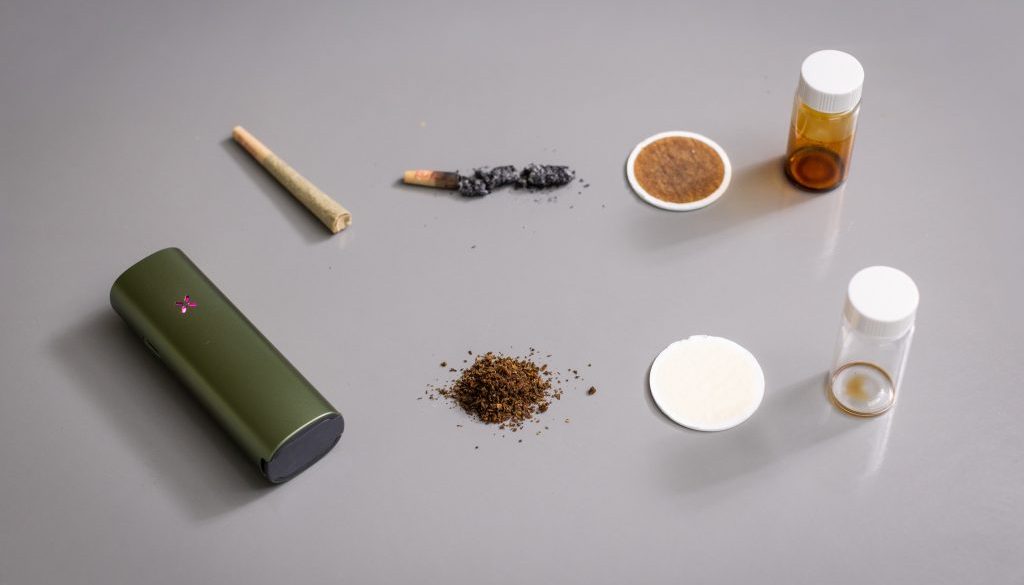
New Study By PAX Finds Vaporizing Cannabis Reduces Harmful Combustion Byproducts by Up To 99% Compared to Joint Smoke
PAX, a leading global cannabis brand rooted in science and innovation, today released new research demonstrating that vaporizing cannabis flower can dramatically reduce exposure to harmful combustion byproducts compared to smoking a joint.
The study compared chemical emissions from combusted cannabis flower in a traditional joint to aerosol produced by the PAX FLOW and PAX TRIP vaporizers under standardized puffing conditions¹. Researchers analyzed sixteen harmful or potentially harmful compounds (HPHCs) commonly associated with combustion, including benzene, formaldehyde, and acetaldehyde.
Vaporization reduced these compounds by up to 99% compared to joint smoke. Notably, levels of benzene, formaldehyde, and acetaldehyde from a single 0.75g joint exceeded recommended daily inhalation exposure limits, while those same compounds were dramatically lower or undetectable in vapor produced by the PAX FLOW and PAX TRIP devices.


“Combustion produces harmful byproducts—whether it’s tobacco, wood, or cannabis,” said Richard Rucker, PhD, Director of Product Integrity at PAX. “By heating cannabis without burning it, vaporization significantly reduces the formation of these toxic compounds. It’s the same plant, but completely different exposure. This research helps quantify the difference, giving consumers clearer information about how their choices impact exposure.”
The findings highlight the fundamental chemical distinction between combustion and controlled heating. Burning cannabis—often exceeding 900°C—drives pyrolysis reactions that generate hundreds of secondary compounds. Vaporization operates at substantially lower temperatures, releasing cannabinoids and terpenes while avoiding many of the harmful byproducts created through combustion.
This research builds on nearly two decades of PAX leadership in product safety, quality standards, and scientific advancement within the cannabis industry. The company maintains rigorous restricted-substance specifications across its hardware components and continues to invest in research that supports more informed, higher-standard cannabis consumption.
More information is available at pax.com/science