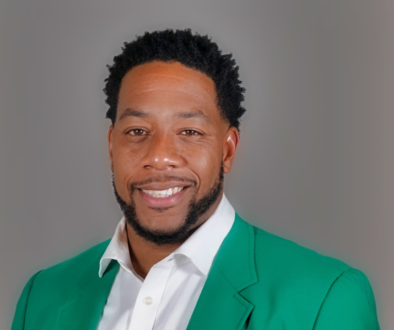

Life Lessons: How Ethos CEO Gibran Washington Views Leadership, Quality Control and Representation
For Gibran Washington, cannabis has never been just another industry.
Long before he became CEO of Ethos Cannabis, cannabis had already shaped his life in profoundly different ways. It was part of his childhood, part of his athletic career, part of his family’s struggles, and eventually part of his professional purpose.
That unique perspective has helped Washington become one of the few Black CEOs leading a major multi-state operator (MSO) in the cannabis industry.
“I’ve always had a bifurcated relationship with cannabis,” Washington said during a recent interview with CashColorCannabis. “I saw the therapeutic side, but I also saw what the War on Drugs could do to families.”
A Personal Journey
Washington was introduced to cannabis at an early age through his older brothers. The plant followed him to college. After years of playing college basketball, CBD became part of his recovery routine, giving him a second option to prescription pain medication.
But there was an experience close to home that would leave a deeper impression on Gibran.
After his father was diagnosed with cancer, Washington watched cannabis become an important part of managing the side effects of chemotherapy and radiation. At the same time, he also experienced the devastating consequences of cannabis prohibition after losing his brother to circumstances connected to the War on Drugs.
Washington spent his time prior to cannabis in hospitality. When opportunities to enter the legal industry first appeared, Washington initially declined them.
It was the realities in his actual life, from his father’s cancer to his brother’s death, that ultimately convinced him that cannabis deserved thoughtful leadership.
“I wasn’t sure the stigma around cannabis fit with the corporate career I had built,” he explained. “Eventually I realized my background made me uniquely qualified because I understood both worlds.”
Leading One of the Industry’s Few Black-Led MSOs
Washington doesn’t spend much time thinking about being one of the industry’s few Black CEOs.
Instead, he views the position as a natural extension of generations of Black entrepreneurship.
“I know a lot of successful business owners that look like me,” he said. “For me, becoming a CEO wasn’t a rarity. It was a natural progression.”
Still, his appointment carries significance within an industry where executive leadership remains overwhelmingly white.
Washington believes opportunity should be driven by talent while acknowledging that representation still matters. At Ethos, he points to internal promotions and leadership development as examples of building opportunities from within.
Building Ethos Around Quality
As cannabis companies continue competing in increasingly crowded markets, Washington believes Ethos has distinguished itself by focusing on quality rather than speed.
He says the company prioritizes clean cultivation practices and refuses to compromise on products that fail to meet its standards.
Ethos also became the first cannabis company in the United States to establish a research partnership with Thomas Jefferson University, reflecting the company’s continued emphasis on the medical potential of cannabis.
“We’ve always believed that doing things the right way might take longer,” Washington said. “But quality has always been at the center of who we are.”
Waiting for Schedule III Clarity
Like much of the cannabis industry, Washington sees federal rescheduling as a potential turning point, but he cautions that many questions remain unanswered.
Moving cannabis to Schedule III could eliminate the burden of IRS Code 280E for many operators, dramatically reducing effective tax rates and making it easier for companies to reinvest in growth.
Lowering that tax burden alone could create more opportunities for entrepreneurs from historically underrepresented communities.
Washington says businesses still need clear federal guidance on how medical and adult-use markets would operate under a Schedule III framework.
“There are a lot of opportunities,” he said. “But we still need clarity about what Schedule III actually means.”
Looking Ahead
As the cannabis industry continues to mature, Washington hopes companies will stay focused on people rather than politics.
Whether it’s discussing hiring, product development, or leadership, his philosophy remains consistent.
“Our job is to hire the best people,” he said. “We want people who are excited about cannabis and passionate about what we’re building.”
At the end of the day, for Washington, success isn’t just about leading one of the nation’s largest cannabis companies. It’s about helping an industry grow into one that values quality, opportunity, and purpose just as much as profits.