Just Say No: What We Were Told About Weed Before Legalization
“This is your brain. This is your brain on drugs. Any questions?”
Show of hands: How many of us reading this today grew up in the ’80s? If you grew up during a certain era, you probably got a tingle reading that.
In 1987, the Partnership for a Drug-Free America launched one of the most recognizable anti-drug commercials ever created. It all started with an egg. This egg was supposed to represent your brain. A hot frying pan represented drugs. When the egg cracked and the yolk poured onto the skillet, the next few seconds became part of pop culture lore.
Looking back, it’s easy to laugh, but growing up, you knew that commercial was part of a nationwide campaign to keep teens off drugs. And you knew exactly what drugs to steer away from. Many commercials featured pills on a table, a powdery substance across from them, and, of course, a joint.
A perfectly rolled joint at that. Whoever made those commercials knew what they were doing.
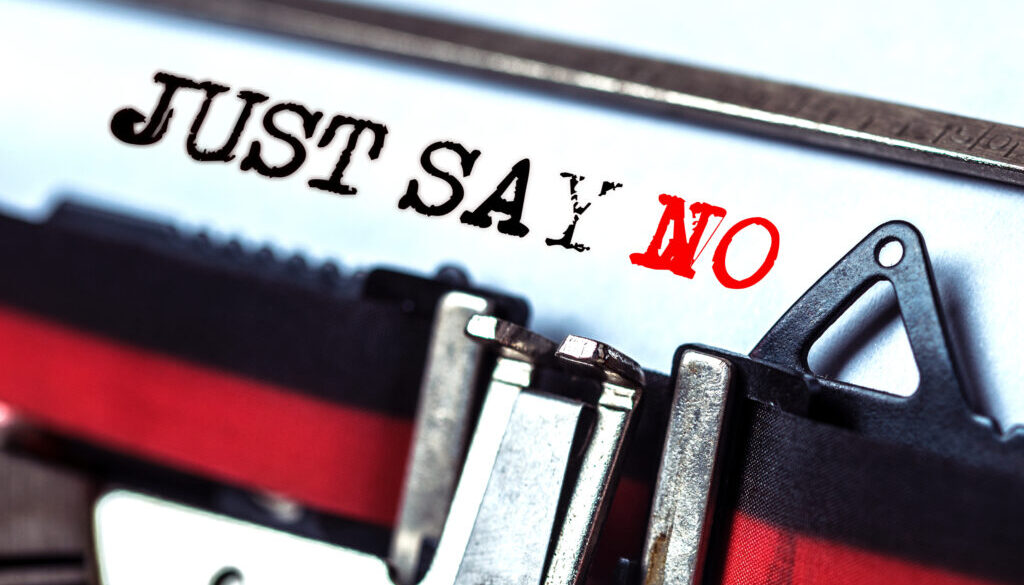
Just Say No
During the 1980s, First Lady Nancy Reagan became one of America’s most recognizable anti-drug advocates with the “Just Say No” campaign.
Another slogan that ended up in the archives of pop culture history, “Just Say No” was on T-shirts, posters, stickers and just about anything else you could slap it on. They even had Mr. T in on it.
The problem was that “drugs” covered a lot of ground. And while the Reagan administration publicly intensified the War on Drugs, the era would also become complicated by investigations into allegations of drug trafficking involving individuals connected to the U.S.-backed Contra movement in Nicaragua.
Marijuana, meanwhile, became part of the larger War on Drugs conversation. Often labeled a gateway to harder drugs, cannabis was treated by some as if it were a portal to the dark side.
When Weed Meant Trouble
And that’s how it was often presented on television during the ’80s and ’90s. A joint in your hand could mean the beginning of the end.
Finding a joint wasn’t normally something characters shrugged off. It meant something was wrong.
What else are you doing?
As we discussed on our Patreon channel, shows like Moesha and The Wayans Bros. launched entire episodes about peer pressure, bad influences, or the fear that marijuana would lead to something worse.
Those storylines didn’t come out of the blue. The writers, parents, and kids watching those shows were living through the same anti-drug campaigns.
I know the message made it into my house.
My father believed smoking weed would eventually lead to smoking crack. And I’m sure he wasn’t the only Black parent who thought that way.
Where did that fear come from? At least some of it came from what America had spent years telling people about drugs.
The Commercials Got Bigger
By the late ’90s, anti-drug advertising had become a massive federal effort.
The National Youth Anti-Drug Media Campaign put anti-drug messages across television, radio, magazines, billboards, schools, and eventually the internet.
By the early 2000s, marijuana became an even more specific target.
The government wasn’t simply saying, “Don’t do drugs.” It was actively trying to convince young people not to smoke weed.
But there’s an important question:
Did it work?
A major national evaluation of the campaign found little evidence that greater exposure to the advertising reduced marijuana use among young people.
That’s worth thinking about.
Because there’s a difference between educating people about risk and trying to scare them.
Cannabis isn’t harmless. Young people deserve accurate information about substances and their potential effects. But when marijuana gets placed alongside drugs carrying dramatically different risks, eventually people may start questioning the entire message.
And Then America Legalized Weed
And here’s where the story gets weird.
The same generations that grew up hearing “Just Say No” eventually watched states start saying yes. Especially to the weed that was once condemned.
People who once watched commercials warning that marijuana could ruin their lives suddenly found dispensaries opening down the street.
That’s what makes watching these old commercials so fascinating today.
They remind us just how powerful anti-drug messaging was in shaping the way people thought about cannabis.
And legalization doesn’t automatically erase decades of stigma. Plenty of people still carry those messages.
So maybe the most interesting question isn’t whether those old commercials aged badly.
Maybe it’s, “How much of what we were taught about weed before legalization are we still carrying around today?”