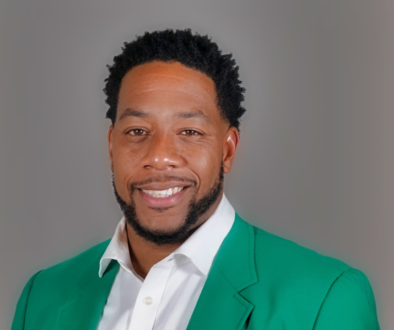
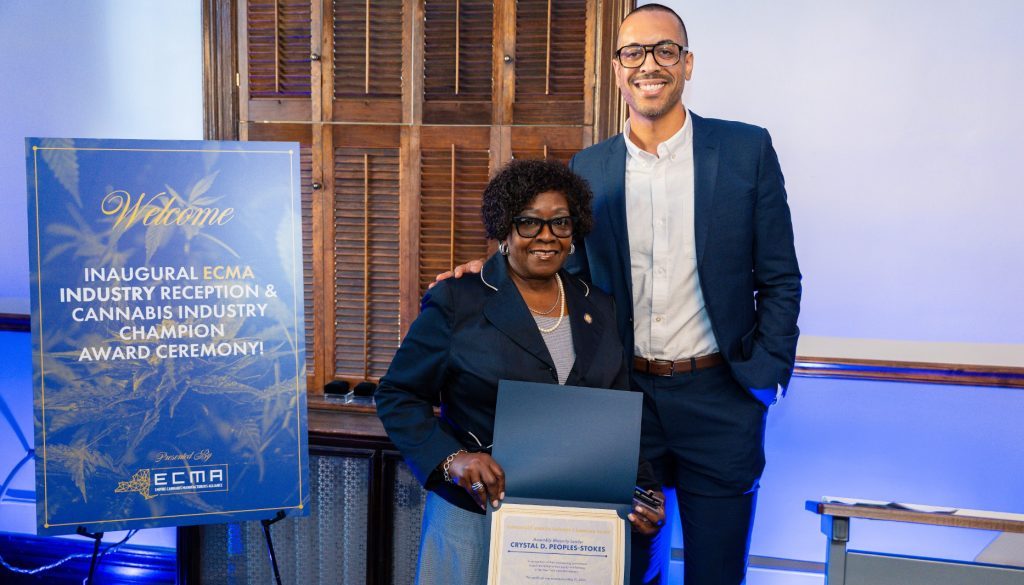
4 Takeaways From Our Conversation With Damian Fagon
When people talk about New York cannabis, the conversation usually centers on delays, lawsuits, resignations, licensing, and politics.
But during my recent conversation with Damian Fagon, former Chief Equity Officer for New York’s Office of Cannabis Management (OCM), I was reminded that New York’s cannabis market was designed to answer a much bigger question.
Can legalization create economic opportunity for the people most harmed by prohibition?
That answer really depends on who you ask. Before our full interview with Damian goes live, here are four takeaways.
1. New York’s Equity Program Was Never Meant To Be An Add-On
One of the most interesting points Fagon made was that New York’s approach to equity differed from many other states because equity wasn’t added after legalization. It was built into the framework from the beginning.
According to Fagon, lawmakers intentionally designed guardrails into the Marijuana Regulation and Taxation Act (MRTA) to prioritize communities impacted by cannabis prohibition.
Rather than creating a market first and then carving out opportunities for social equity applicants later, New York sought to make equity part of the market’s foundation.
For years, critics have argued (I being one of them) that many state equity programs amount to little more than symbolic gestures. Fagon believes New York tried to create something more structural by embedding equity directly into how licenses were distributed and how the market would operate.
2. The Backlash Was Bigger Than Cannabis
Fagon believes some of the criticism directed at New York’s rollout wasn’t solely about cannabis.
He pointed to the broader political climate surrounding DEI initiatives, racial justice programs, and reparative policies.
The MRTA passed in 2021, shortly after the nationwide protests following the murder of George Floyd. At the time, there was significant political momentum behind policies designed to address historic inequities.
But as political attitudes shifted, Fagon argues that cannabis equity programs increasingly became targets.
The idea of giving people previously arrested for cannabis offenses priority access to a billion-dollar industry was inspiring to some and controversial to others.
“The same arrest that kept them from economic opportunities before was now prioritizing them for this one,” Fagon explained.
That tension continues to shape conversations about cannabis equity nationwide.
3. Legacy Operators Needed a Seat at the Table
One of the programs Fagon said he is most proud of is New York’s Cannabis Compliance and Training and Mentorship Program (CCTM).
The initiative helped train and prepare legacy cannabis cultivators for participation in the legal market.
New York consumers already trusted many of these growers. They had spent years perfecting genetics, cultivating brands, and building reputations long before legalization arrived.
Ignoring that expertise would have been a mistake.
Through the program, roughly 200 legacy growers and processors received training and support, creating one of the first meaningful pathways from the illicit market to the legal market.
Today, many of those entrepreneurs are operating legally and doing their best to build craft cannabis brands across New York.
4. Building the Right Market Takes Time
Perhaps the strongest point Fagon made during our conversation was that legalization and implementation are two very different things.
Writing a law is one thing.
Building a functioning cannabis market is another.
Critics often point to New York’s slow rollout as evidence of failure. Fagon sees it differently.
He argues that many states prioritized speed and quickly launched markets dominated by a handful of large operators. New York attempted something more complicated: creating a market that included small businesses, minority-owned operators, justice-impacted entrepreneurs, and independent farmers.
That process was never going to happen overnight.
Today, New York’s cannabis market is generating billions in sales and includes hundreds of dispensaries, cultivators, and processors.
For Fagon, the bigger picture matters more than the timeline.
“We’re not building your business. We’re building a market that’s supposed to be here for 100 years.”
Final Thoughts
Whether you agree with every decision made during New York’s rollout or not, Damian Fagon offers an important perspective from someone who helped shape one of the country’s most ambitious cannabis equity programs.
To hear the full conversation with Damian Fagon, subscribe to CashColorCannabis on Patreon and get early access to exclusive podcast episodes and interviews. Full interview goes live on all streaming platforms June 15th.