
Texas Turned Blue. Can Hemp Businesses Finally See Green?
Texas voters delivered a major political shakeup during the November 3 midterm elections. Democrats captured the governor’s office, lieutenant governor’s office, and control of the Texas House, creating a new political landscape for an industry that has spent years fighting restrictions.
For Texas hemp advocates, the election results represent an opportunity to rethink how the state approaches cannabis regulation.
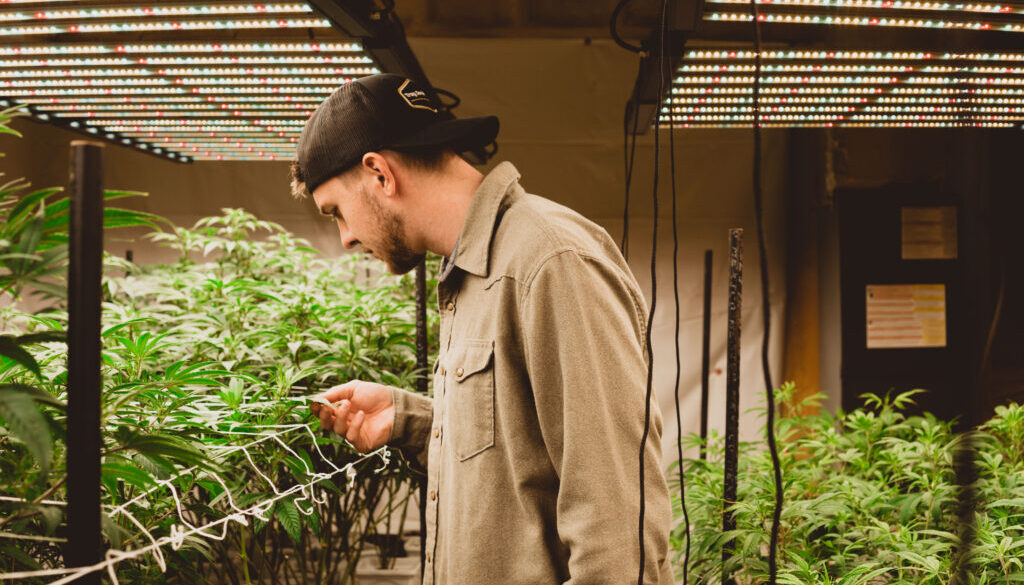
Colton Luther, founder and host of the Texas Growers Podcast on YouTube, believes the industry played a role in the political shift.
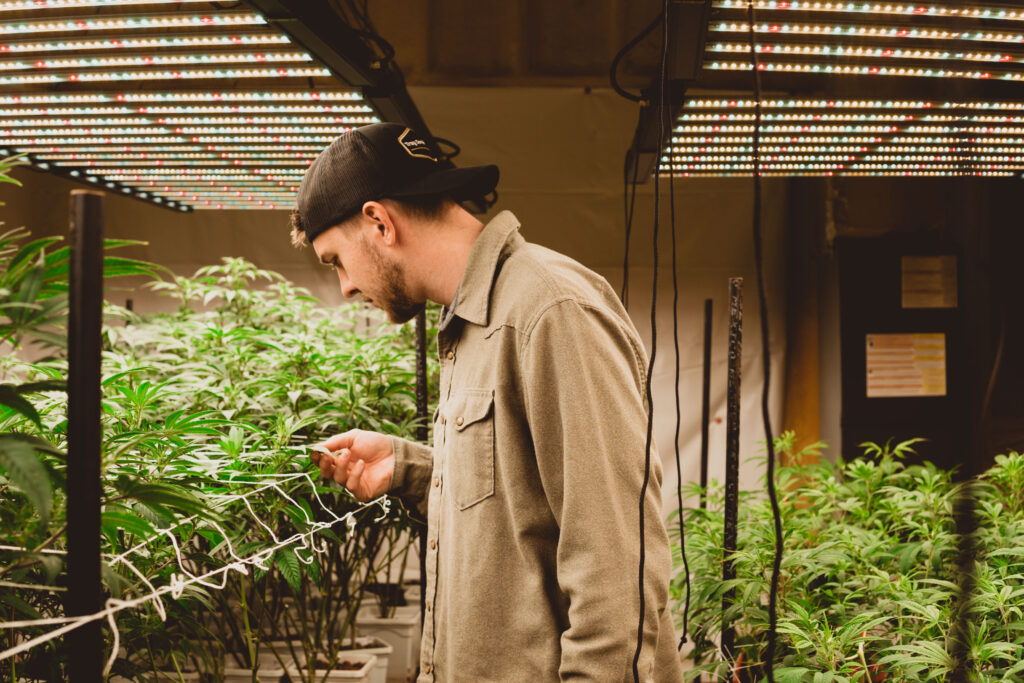
“Our industry did its part to drive change and support candidates who are hemp-friendly, and dare I say, cannabis friendly,” Luther told CashColorCannabis.
“The landscape is going to shift because we now have leadership that understands Texans want access to these products.”
A New Political Landscape
Throughout 2025 and 2026, Texas hemp businesses faced proposed bans, regulatory changes and uncertainty about their future.
With Gina Hinojosa elected governor and Vikki Goodwin replacing Dan Patrick as lieutenant governor, hemp advocates are preparing for a different conversation in Austin.
Luther hopes incoming leadership will prioritize protecting small businesses, farmers and consumer access while examining the state’s existing medical cannabis program.
He also anticipates new legislative proposals addressing hemp regulation, cannabis legalization and the Texas Compassionate Use Program.
“I believe we’ll shape a sustainable framework that pairs a real medical marijuana program Texans can actually use with an adult-use hemp market the common man can participate in.”
However, political change doesn’t guarantee legislative success. Republicans still control the Texas Senate, and disagreements over regulation, licensing, and consumer protections and party allegiance could complicate this already complicated issue.
The Federal Problem
While Texas prepares for new leadership, the hemp industry overall faces a more immediate challenge in Washington.
Federal changes scheduled for December 11 would redefine legal hemp, including a limit of 0.4 milligrams of total THC per container for finished hemp-derived cannabinoid products. Certain restrictions involving synthetic cannabinoids are scheduled to begin November 12.
For Texas businesses, the potential consequences extend beyond dispensary shelves.
Luther estimates that more than 50,000 jobs and thousands of small businesses could be affected by federal restrictions. Those figures reflect his assessment of the industry’s economic footprint.
“Every small town in Texas now has a couple of hemp shops, vape shops, or dispensaries. In a community that’s already short on jobs, losing a few businesses is huge.”
He argues that the impact could reach farmers, manufacturers, distributors, commercial real estate, and financial institutions connected to the industry.
Regulation or Prohibition?
For Luther, the path forward isn’t eliminating oversight. It’s developing regulations that protect consumers without making it financially impossible for smaller businesses to participate.
He supports age restrictions, clear product labeling, and child-resistant packaging, while opposing licensing fees and taxes he believes would limit market access.
His position also highlights an ongoing disagreement between hemp operators and parts of the licensed medical cannabis industry over how intoxicating cannabis products should be regulated.
Despite those differences and the federal uncertainty, Luther remains confident about the industry’s future.
“Texas hemp could be the federal standard. It’s a model the entire country could adopt easily: a descheduled path to cannabis that has worked for the last six to seven years.”
The election has given Texas hemp advocates a new reason to be optimistic. Even as I type this, news broke that two bills were filed today in Texas that would regulate adult-use cannabis.
For now, Texas hemp businesses are watching two clocks: the approaching federal deadline and the beginning of a new legislative era in 2027.