More Than a Vendor: What the Partnership Between Illicit and CannaVibes Says About the Future of Cannabis
For many consumers, the relationship between a cultivator and a dispensary begins and ends with the product on the shelf. Behind the scenes, however, the strongest partnerships are built on something much more valuable than inventory. They are built on trust, shared knowledge, and a commitment to helping one another succeed.
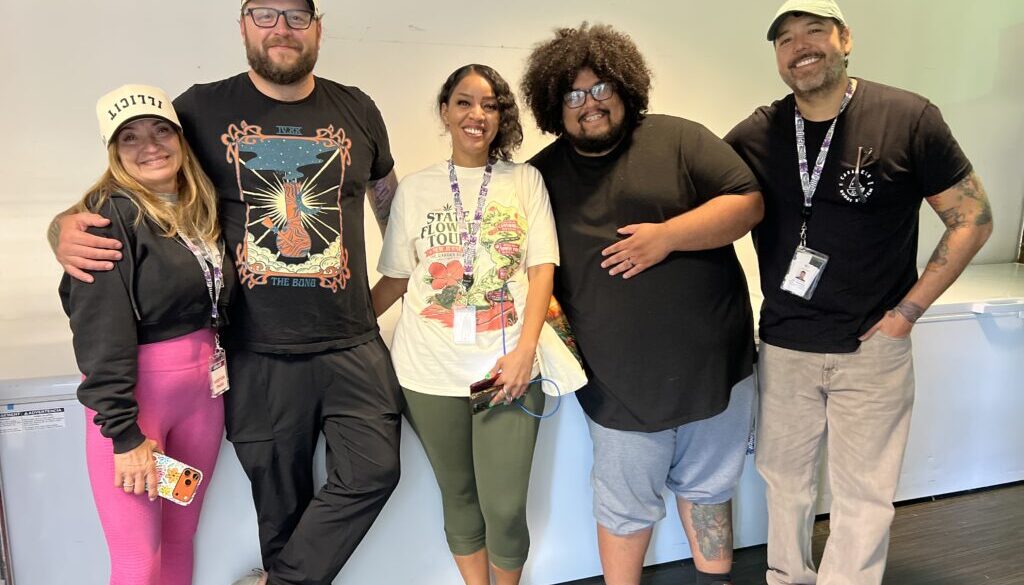
That became evident during a recent tour of Illicit’s New Jersey cultivation and manufacturing facility alongside Chief Revenue Officer Jon, Facility Manager Joel, CannaVibes dispensary owner Linda, and partners participating in the State Flower Tour, Exhale Social Pro. While the visit offered an inside look at award-winning flowers, concentrates, and edibles, it also revealed something equally important: the people behind the products and the relationships driving them forward.
For independent dispensary owners navigating one of the country’s most competitive cannabis markets, there’s an important lesson here: choosing a brand isn’t just about selecting products customers will enjoy; it’s about choosing partners who are invested in your long-term success.
Building a Business Means Choosing the Right Partners
Long before CannaVibes Dispensary became one of Illicit’s retail partners, Linda was learning what every new dispensary owner eventually discovers: stocking shelves isn’t the same as building a successful menu.
Like many entrepreneurs, she wanted to offer as many brands as possible, believing more choices would naturally translate into more sales. Instead of encouraging that approach, the Illicit team challenged it.
“If I would’ve started on my own, without you guys, it would’ve been a failure,” Linda shared during the tour. “I wanted every single brand, every single brand. And you were like, ‘No, you’re not bringing every brand because you’re not going to sell it.’ “
That advice wasn’t about making room for Illicit products. It was about helping a business owner make smarter decisions. Linda remembers watching customers walk into CannaVibes, browse the menu, and leave without making a purchase. It was discouraging, but instead of abandoning the strategy, she trusted the people who had already built successful cannabis operations.
Linda shared: “I believed in them. I said, ‘Listen, I’m not reinventing the wheel. These guys already have one that works.'”
For entrepreneurs, especially those entering newer industries like cannabis, there’s a valuable takeaway in that perspective. The strongest leaders don’t pretend to have every answer. They recognize when experience has something to teach them.
Quality Starts Long Before Harvest
As the tour moved from cultivation rooms to drying, trimming, packaging, extraction, and edible production, it became clear that Illicit’s philosophy extends far beyond growing cannabis. Every decision inside the facility reflects a commitment to quality.
The cultivation operation is Clean Green Certified, one of the highest agricultural certifications available to cannabis businesses. Because federal prohibition prevents USDA Organic certification, Clean Green has become an important benchmark for companies committed to sustainable cultivation practices.
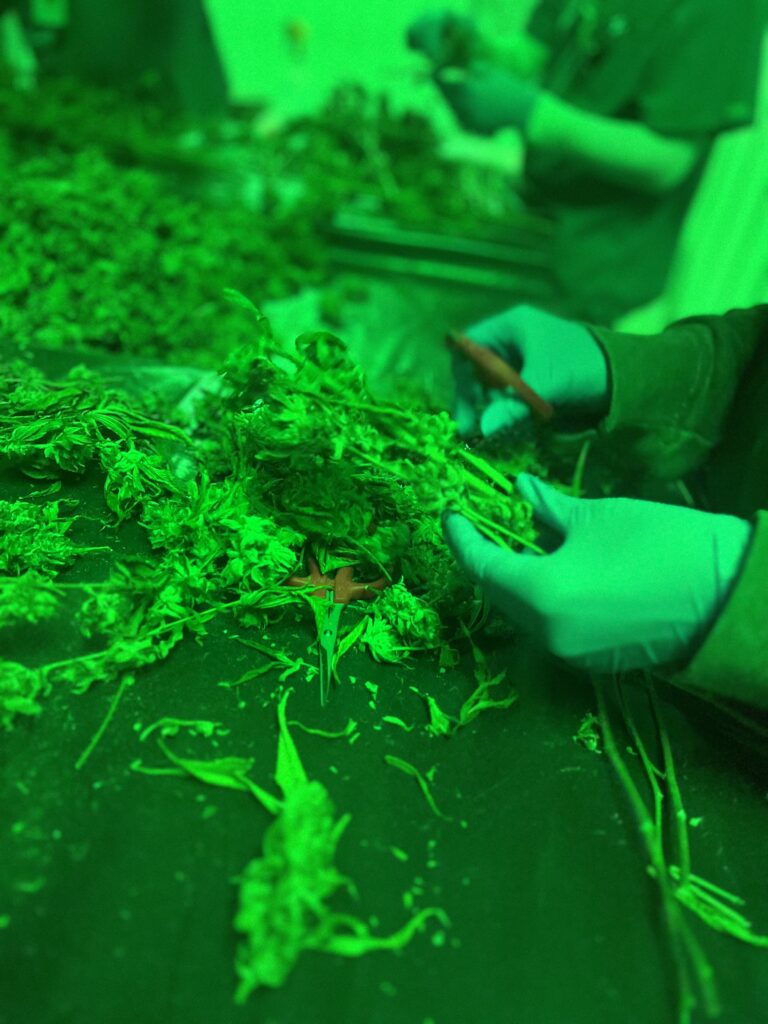
Walking through the facility, we saw organized workspaces, and a team that takes pride in the details. “We’re big on a bunch of small details,” Jon explained.
Those details continue throughout the cultivation process. Only the healthiest plants are selected for flowering, allowing the strongest genetics to receive the facility’s full attention. Flower is cured for about 8 weeks instead of being rushed to market, while every pre-roll passes through three separate quality-control checks before packaging.
“You can do everything right for the whole race,” Jon said. “But if you rush that last step on the cure, your weed smells like hay.”
The same philosophy carries into Illicit’s concentrates, where premium flower, not leftover material, is used for extraction, and into its growing edible lineup, which now includes vegan pectin gummies alongside award-winning flavors like Peaches and Dreams.
Even decisions like using glass jars instead of plastic despite higher costs and breakage risks, reflect the company’s willingness to prioritize product integrity over convenience.
For Jon, those decisions come down to respecting the customer. “Weed’s so expensive here compared to other places. If you’re going to get someone to pay tax on your weed, it better be good.” In a market where consumers have more choices than ever, consistency becomes one of the most valuable products a company can offer.
Growing Together
The tour wasn’t just a showcase of cultivation techniques or product innovation. It was a reminder that cannabis remains a relationship-driven industry.
It was humbling observing the cultivation employees laughing and working together, and the tour crew thanking them for their service as the tour crew moved through departments. Conversations shifted naturally from cultivation practices to personal milestones, health, families, and shared experiences. At one point, someone simply summed up the culture by saying, “People helping people.” That mindset seems to extend well beyond the walls of the facility.
Reflecting on her own journey, Linda spoke less about products than she did about the people who helped her build CannaVibes. “I thank God every day that I found you guys as my partners,” she said. “It’s just…perfect melody.”
She credits Illicit not only for providing products her customers trust, but for helping her become a stronger business owner through honest conversations, shared experience, and genuine support. “They’ve made me successful,” she said. “I valued their experience.”
The respect clearly goes both ways. Looking back on the relationship, Jon reflected on choosing CannaVibes among dozens of potential retail partners.
“We interviewed like 40 people that we wanted to do potential dispensary things with. We met Linda and we were like, ‘She’s the absolute best. She deserves every single bit of success that she’s going to have.'”
In an industry that often focuses on market share, pricing, and competition, it’s easy to overlook the role partnerships play in long-term success. Stories like this suggest that the future of cannabis won’t simply be shaped by who grows the best flower or opens the most dispensaries. It will be shaped by businesses willing to invest in one another, share knowledge instead of guarding it, and recognize that success isn’t something built alone.