When Reporting a Crime Gets You Booked: GloRilla and the Cannabis Catch-22
You’re damned if you do, damned if you don’t. Imagine having your house burglarized. You call the police to report the crime—and end up in handcuffs.
That’s what recently happened to rapper GloRilla. The Memphis artist contacted authorities after her house was broken into.
On July 20, deputies responded to GloRilla’s home after occupants reported that three intruders had entered and were in the process of stealing items. When an armed occupant fired at the intruders, they fled the scene. While police were investigating the break-in, they claimed to smell marijuana. That led them to obtain a search warrant. The resulting search turned up what officers say was a large amount of cannabis in plain sight.
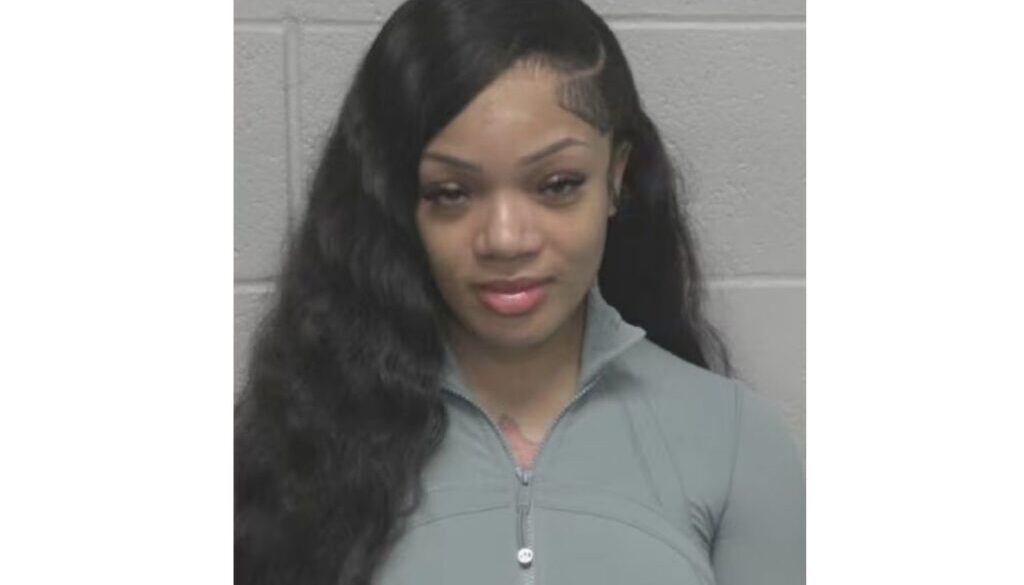
GloRilla wasn’t home at the time, but on July 22, she voluntarily turned herself in and was charged with felony possession of marijuana and possession of a Schedule I controlled substance. She was released on $22,000 bail.
Rather than focus on the robbery, the headlines focused on the arrest. Just like that, she went from victim to suspect. Her arrest made national news and once again cast a spotlight on Georgia and the state’s strict—and uneven—rules when it comes to cannabis possession.
“Honestly, my heart sank,” said Omari Anderson of Best Dirty Lemonade, who also serves on the board of directors for Peacetree NORML.
“It’s frustrating, but not surprising. GloRilla was the victim of a break-in—she called for help, and instead of being protected, she was criminalized. It’s a reminder that Black people, even with fame and success, aren’t insulated from the double standards that exist in this country when it comes to cannabis and policing.”
Cannabis Is Still a Crime… Sometimes
We’ve come a long way with legalization—kind of. But what GloRilla’s story reminds us is that “legal” isn’t universal. Weed laws across the country are a messy patchwork of contradictions: legal in this state, decriminalized in that one, still criminal AF somewhere else. Georgia is one of those places where what’s decriminalized in one county is a major offense in another. That’s a recipe for confusion—and disaster.
“It creates confusion at best, and injustice at worst,” Omari said. “One zip code over and you’re a legal entrepreneur; in another, you’re a felon. For Black folks, the stigma sticks regardless.”
Frederika Easley, president of the Minority Cannabis Business Association (MCBA), pointed out how the language around cannabis adds to the confusion:
“Cannabis is referred to as being legal when, in actuality, it is not. Cannabis is regulated and decriminalized in some states, but it is not legal,” she said. “When people hear ‘legal,’ there is an association of freedom. Unfortunately, the plant is still not free!”
When the Cops Smell Weed and Miss the Point
Instead of protecting a woman who reported a robbery, law enforcement decided the “real crime” was the plant. And how did they discover it? By smell.
Let’s be real: if you’re Black and hear a police officer say, “I smell weed,” prepare for a long night. Smell-based searches are shaky at best and have long been weaponized against Black people—whether they’re celebrities or not.
Priorities, or Performative Policing?
The fact that a drug task force showed up faster than a crime scene unit tells you everything you need to know about how law enforcement sets its priorities.
“The message is clear: Black people, canna lovers—you are our target,” Easley said. “We are looking to make an example out of anyone we can to show where our priorities lie.”
A Legal System You Can’t Trust
This isn’t just about GloRilla. It’s about everyday people—especially Black folks—who are still getting arrested, charged, or jailed over small amounts of cannabis.
“The trust in the justice system is non-existent,” said Easley. “There is an understanding—spoken and silent—that the rules do not apply the same for Black people versus others.”
The Bottom Line?
Cannabis is still being policed—but not equally. GloRilla’s case just happens to be the one in the spotlight. The truth is, this is happening every day to people without publicists, lawyers, or label deals.
Until we get national legalization with equity at the core, calling the police while Black and canna-comfortable will always carry risk.
One More Thing
“At the end of the day, the day is gonna end,” Glorilla. While the commotion around her name had to be annoying, she did find a way to monetize it.