From Bayou to Bloom: Inside Louisiana’s Evolving Cannabis Community with Jessica Potts
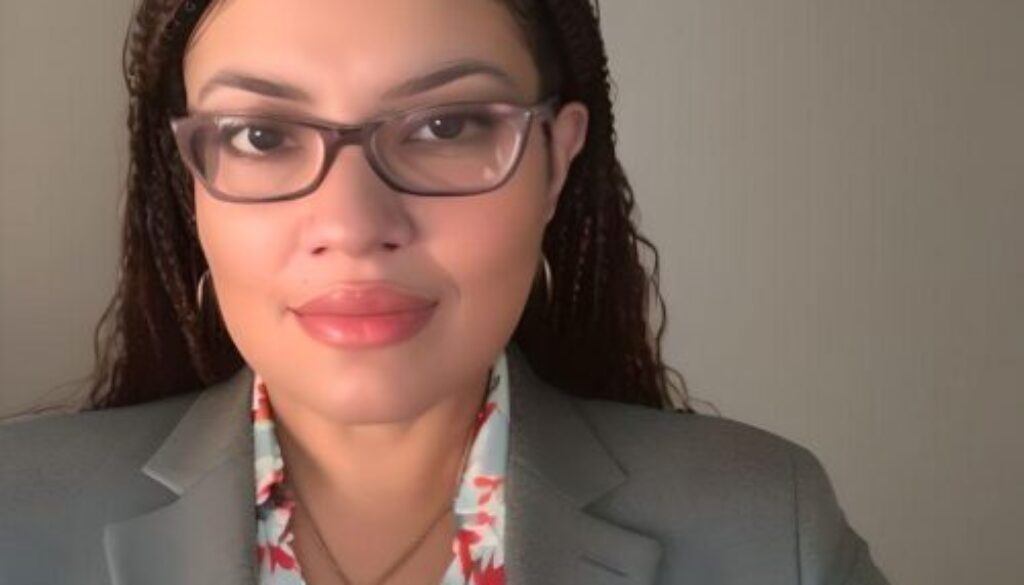
Louisiana’s cannabis scene is bubbling with change, and no one understands its unique layers quite like Jessica Potts. The founder of Bonne Santé, Rising HARVESTS, and the Louisiana Cann Festival, Jessica is on the front lines of a movement that’s transforming the Pelican State’s relationship with cannabis.
CashColorCannabis spoke with Jessica to unpack the evolving public sentiment, hurdles Black entrepreneurs face, and the future role Louisiana could play in shaping Southern cannabis culture.
Public Sentiment: Shifting But Still Complicated
While Louisiana was an early Southern adopter of medical cannabis, the culture around it is still complex. Even though you can purchase alcohol at gas stations (something I’ve done before while in New Orleans), cannabis stigma remains.
“More people are open to cannabis, especially on the medical side,” Jessica shares.
Similar to a lot of situations, the stigma has been fueled by decades of misinformation, religious programming, and racially biased enforcement. Louisiana holds the world’s highest incarceration rate, with cannabis-related arrests disproportionately impacting Black and Brown communities. That’s not a coincidence.
Jessica points out a major missing piece: “There has never been a statewide, coordinated education effort.” Without clear, community-based education, Louisianans are left sorting through conflicting messages, often confused or misinformed.
To help fight back against this, Jessica’s work with Bonne Santé offers pro bono community education, while Rising HARVESTS bridges healthcare and agriculture. Add that in with monthly events with Capitol Wellness Solutions and Cookies, bringing trustworthy cannabis information to everyday spaces, sparking conversations that people are eager to have.
She emphasizes that policymakers are often under-informed, relying too heavily on lobbyists from opposing sides, leading to policies shaped without real understanding of patient needs. “The transformation won’t be complete until education is as accessible as alcohol—and healing is treated like a human right, not a legislative loophole,” Jessica says.
Louisiana’s Medical Cannabis Program: Wins and Missed Opportunities
Not for nothing, Louisiana deserves kudos for being an early Southern adopter of medical cannabis. Jessica proudly notes her historic role as the first Black woman to own a licensed cultivation facility in the South — a milestone that underscores both progress and persistent barriers.
However, she explains, the program quickly became overly centralized and restrictive. Only a few licenses were issued, creating structural barriers to access, innovation, and inclusion, especially for smaller businesses and communities most harmed by prohibition.
“We saw an industry form, but without enough patient or public participation,” Jessica reflects. Only recently have expanded eligibility and lower-cost medical cards started to open the door wider.
The Impact on Black Entrepreneurs and Advocates
Jessica is blunt about Louisiana’s cannabis program: “It was never built with equity in mind.” From day one, the program excluded Black entrepreneurs and those harmed by cannabis criminalization, pushing affected communities to the margins.
“There was no built-in equity, no built-in inclusion—and there still isn’t. That’s not just an oversight; it’s a structural flaw,” Jessica states.
Her response? Building new spaces and narratives through her initiatives that foster healing, education, and access outside traditional gate-kept channels. For Jessica, true equity is power “returned to the people who have always carried this work.”
Louisiana has the chance to course-correct, but only if there’s honesty that “the system wasn’t broken. It was working exactly as it was designed.” Now, it’s time to design something new.
Louisiana’s Role in the Southern Cannabis Movement: Model or Cautionary Tale?
Jessica sees Louisiana standing at a crossroads. “We could absolutely become a leader in the South,” she says, citing the state’s rich land, culture, universities, medical institutions, and political influence.
But it requires intentional pivots: launching a statewide education campaign, destigmatizing cannabis, investing in Black and Brown communities, and welcoming legacy market voices.
“The Louisiana Cann Festival showed me the power of cannabis centered around community,” she notes. Thousands from all walks of life came together in joy and healing — no protests, no tension, just unity.
Still, without a visible, inclusive cannabis ecosystem, “Louisiana could very well become the cautionary tale of what happens when you legalize without equity, expand without education, and grow without inclusion.”
If done right, cannabis tax revenue could reinvest in infrastructure, schools, healthcare, elders, children, and tourism — turning Louisiana into the example others follow.
The Southern Cannabis Landscape: Culture, Politics, and Legacy
Working in cannabis in Louisiana means navigating more than business. It means grappling with culture, politics, healthcare, religion, legacy, trauma, and survival.
Jessica challenges the misconception that the South is slow or unready. “We’re not slow. We’re methodical. We’re intentional. We’re deeply rooted,” she explains.
Cannabis exists at the intersection of religious doctrine, racial dynamics, conservative institutions, and generational fear — and for many, it remains taboo.
Yet, the South is also spiritual and rooted in traditions of healing through herbs and roots. “Cannabis was buried under layers of fear, shame, and systemic punishment,” Jessica says. Reintroducing it takes patience, truth, and earned trust — built not online, but in kitchens, churches, mosques, and temples.
Jessica sums it up in a way only a Louisiana native could: “Louisiana is the gumbo pot of America — layered, seasoned, complex, and unforgettable. Once you’ve had it, you’ll keep coming back because it feels like home.”
Final Thoughts: A Proving Ground for Justice and Healing
Jessica’s message is clear: The South, especially Louisiana, isn’t just another cannabis market. It’s a proving ground.
“If you can plant the seeds of justice, access, truth, wellness, and health here — and watch them grow — you can do it anywhere. And I do mean anywhere in the world.”
Louisiana’s cannabis story is still unfolding — with plenty of room for growth, leadership, and healing. And with trailblazers like Jessica Potts, the future looks brighter than ever.
Stay tuned to CashColorCannabis as we continue to spotlight the voices and stories shaping cannabis culture across the South and beyond.