Bright Women, Bold Futures: Building Beyond the Surface
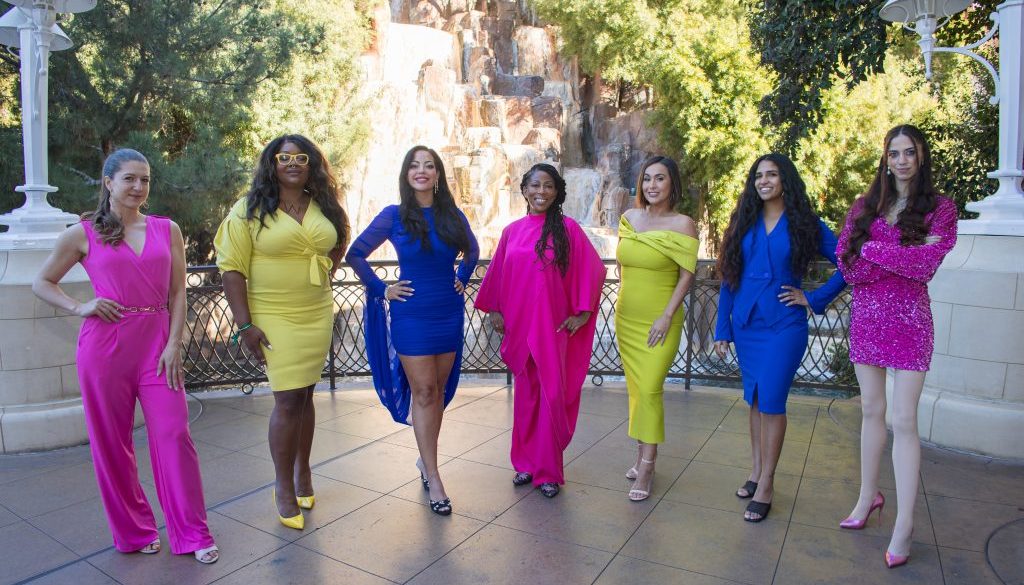
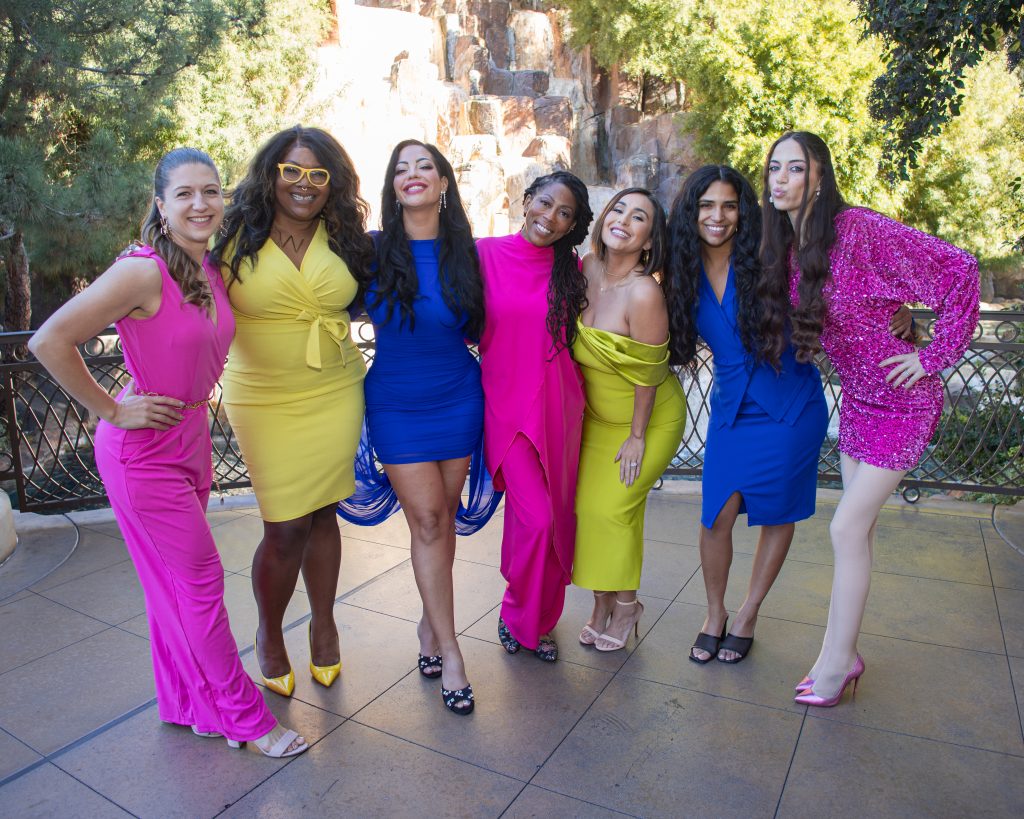
This past winter, Blunt Brunch brought together a dynamic group of founders, executives, educators, and advocates for Bright Women, Bold Futures, a visual and editorial campaign spotlighting the women building the future of cannabis.
The campaign featured Whitney Beatty of Josephine & Billie’s, Loriel Alegrete of 40 Tons, Mary Jane Oatman of the Indigenous Cannabis Coalition, Mskindness Ramirez of KindWorks EDU, Katie Motta of Jade Stone, Ali Bianco of Pinks, Angelina Nelson of Curaleaf, and Blunt Brunch co-founders Parisa Mansouri-Rad and Adelia Fakhri.
Set against a bold, high-fashion backdrop of neon power suits and industrial textures, the campaign challenged outdated perceptions of leadership and redefined what authority looks like in the industry.
At its core, Bright Women, Bold Futures highlights a truth that doesn’t always get enough attention: women are not just participating in cannabis; they are building its infrastructure.
More Than Entry Points, This Is About Access
One of the biggest misconceptions about cannabis is that access begins and ends with a license. On paper, that sounds like progress. In reality, it’s just the beginning.
Whitney Beatty put it plainly: “The biggest misunderstanding about equity programs is that people think giving someone a license means they now have a business. In reality, that’s usually when the hard part starts.”
For many equity operators, that moment marks the start of navigating limited capital, high taxes, and a system that wasn’t built with them in mind.
“A license doesn’t build infrastructure, capital does.”
Real infrastructure looks like access to non-predatory funding, operational support, and policies that allow small operators to survive long enough to grow.
That same focus on access shows up in Mskindness Ramirez’s work. Through KindWorks EDU, she’s building workforce pathways that make cannabis feel like a real career, not a temporary opportunity.
“If we want cannabis to be taken seriously as an industry, we have to invest in professional development and credentialed training,” said Kindness
Infrastructure, in this sense, isn’t abstract. It’s what determines who gets to stay.
Changing Perception Is Part of the Work
For Katie Motta, infrastructure also shows up in how cannabis is presented.
For decades, branding has pushed away the very consumers the industry needs to grow. Women, especially, have been left out of the conversation.
“Every project we take on is a chance to shift how cannabis is perceived…. to destigmatize cannabis one thoughtful design decision at a time.”
Ali Bianco is doing the same through Pinks, leaning into bold, feminine expression.
“We encourage what was once censored… we are loud and proud.”
Changing perception isn’t separate from building infrastructure. It shapes who feels welcome to engage with the plant in the first place.
Collaboration Isn’t Optional
If there’s one consistent theme, it’s this: nobody builds an industry alone.
Ramirez sees collective leadership as essential.
“No one builds anything alone… when each partner brings their expertise, we create something far more sustainable.”
Motta agrees, but also points to a necessary shift.
“Business minds without legacy knowledge are just building another corporate industry… and cannabis deserves better than that.”
The future depends on bridging that gap. Legacy operators bring culture and lived experience. Business professionals bring structure and scalability.
Real progress happens when both are at the table from the start.
Community Is the Throughline
For all the conversations around capital and policy, community remains the constant.
For Ramirez, that means creating pathways for people impacted by prohibition to enter and grow within the industry.
“We have a responsibility to help build real pathways back in… from the margins to leadership.”
That work takes collaboration across sectors—education, retail, advocacy, and beyond.
Platforms like Blunt Brunch, founded by Adelia Fakhri and Parisa Mansouri-Rad, play a key role in that ecosystem by creating intentional spaces for women to connect and build.
What Comes Next
The future of cannabis isn’t about hype. It’s about normalization.
Motta envisions a world where cannabis feels as intuitive as shopping for skincare. Where consumers understand products, and stigma no longer shapes the experience.
Beatty brings it back to something more immediate: access to real capital.
Because without it, even the strongest ideas struggle to survive.
Building Something That Lasts
If there’s one takeaway from Bright Women, Bold Futures, it’s that collective leadership isn’t optional. It’s necessary.
If this moment is any indication, the future of cannabis won’t be built by one voice. It’ll be built by many, moving in the same direction.